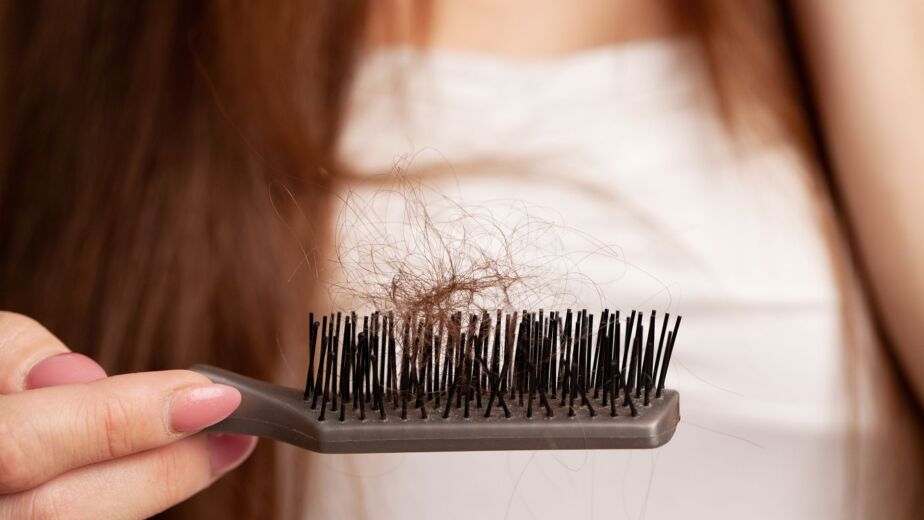
A modern natural hair transplant can look very hard to notice, but it depends on planning and technique. The most natural outcomes come from realistic hairline design, correct hair angle and direction, smart density planning, and good aftercare.
Today’s procedures transplant follicular units, which helps the new hair blend like normal growth. In this article, we break down what ‘natural’ really means using evidence from medical literature, plus what to expect from hair transplant results and common causes of unnatural outcomes.
What Makes a Hair Transplant Look Natural?
A natural looking hair transplant is not just “more hair.” It is a pattern: softer at the very front, denser behind, and flowing in the same direction as your native hair.
Hair Angle and Direction
Hair does not grow straight out like grass. At the hairline and temples, follicles exit the skin at a very acute angle, then gradually change direction across the scalp. During surgery, the recipient sites (the tiny openings where grafts are placed) set that angle and direction. If sites are too upright or misaligned, hair can look spiky or hard to style.
In consultations, ask to see close-up hairline photos that show:
- a soft, irregular “feathered” front edge
- natural flow at the temples (the most revealing area)
Density Planning
Natural density is mostly about distribution. A well-designed hairline has a transition zone with lighter density, then a defined zone behind it where density increases. This gradient reduces the risk of a harsh, obvious edge.
Surgeons also balance density with blood supply and graft survival. Chasing extreme density everywhere can backfire, especially in areas where the scalp is tight or blood flow is limited.
Post-Operative Care
In the first 10 to 14 days, grafts are stabilizing and the scalp is healing. Gentle washing, avoiding friction (caps, helmets, hard rubbing), and following your clinic’s instructions help protect grafts and reduce preventable problems. A recent systematic review of hair transplant complications highlights how both operative and patient factors can affect outcomes, which is why structured aftercare matters. [1]
Personal Factors That Affect a Natural Result
Two people can get the same graft count and look very different. Surgeons often consider:
- Hair caliber and curl: thicker or curlier hair often gives more visual coverage, especially with Afro hair.
- Color contrast: dark hair on a light scalp (or vice versa) can make thin areas easier to notice.
- Existing hair: results usually blend better when there is some native hair to mix with, especially in the mid-scalp, which is common in female hair transplant cases.
These factors do not change whether a transplant can look natural, but they do change what “natural density” looks like for you.
Role of Surgeon Skill and Hairline Design

Hairline design is where “surgery” meets “art.” A natural hairline is not a straight line. It uses subtle irregularities and a gradual transition from single-hair units at the front to multi-hair units behind for strength and density.
Good hairline design is also age-appropriate and future-proof. It should:
- match your facial proportions and hair characteristics
- anticipate possible future thinning behind the transplant
- protect the donor area so you still have options later
If you only remember one evaluation question, make it this: Who designs the hairline and creates the recipient sites? Those details strongly influence whether the transplant blends in naturally.
A quick “best hair transplant” consultation checklist
If you are trying to choose the best hair transplant option locally or internationally, these questions are practical and easy to compare:
- Can you show several hair transplant results at 10 to 12 months, including hairline close-ups and donor photos?
- What is the plan for the front corners and temples, not just the central hairline?
- How will you prevent a straight or overly low hairline as I age?
- What is the back-up plan if I lose more native hair behind the transplant?
Start a Conversation
Contact us through the communication method that suits you





DHI vs FUE Natural Results
FUE (follicular unit extraction) describes how grafts are harvested from the donor area, and it is a widely used modern method. DHI (direct hair implantation) is mainly a placement approach that uses an implanter pen to insert grafts while creating the site.
Both FUE and DHI can look natural. The deciding factor is usually experience: implanter pens can offer precise control, but technique and handling matter. The ISHRS Hair Transplant Forum discusses that implanters can be more demanding and outcomes depend heavily on the operator’s skill and workflow. [2]
In practice, surgeons may lean toward:
- Slit placement (classic FUE workflow) when planning larger sessions or when they want maximum flexibility in site creation before placement.
- Implanter placement (DHI style) when aiming for highly controlled placement in smaller zones like the hairline or beard transplant areas, or when minimizing shaving is a priority.
Before and After Expectations
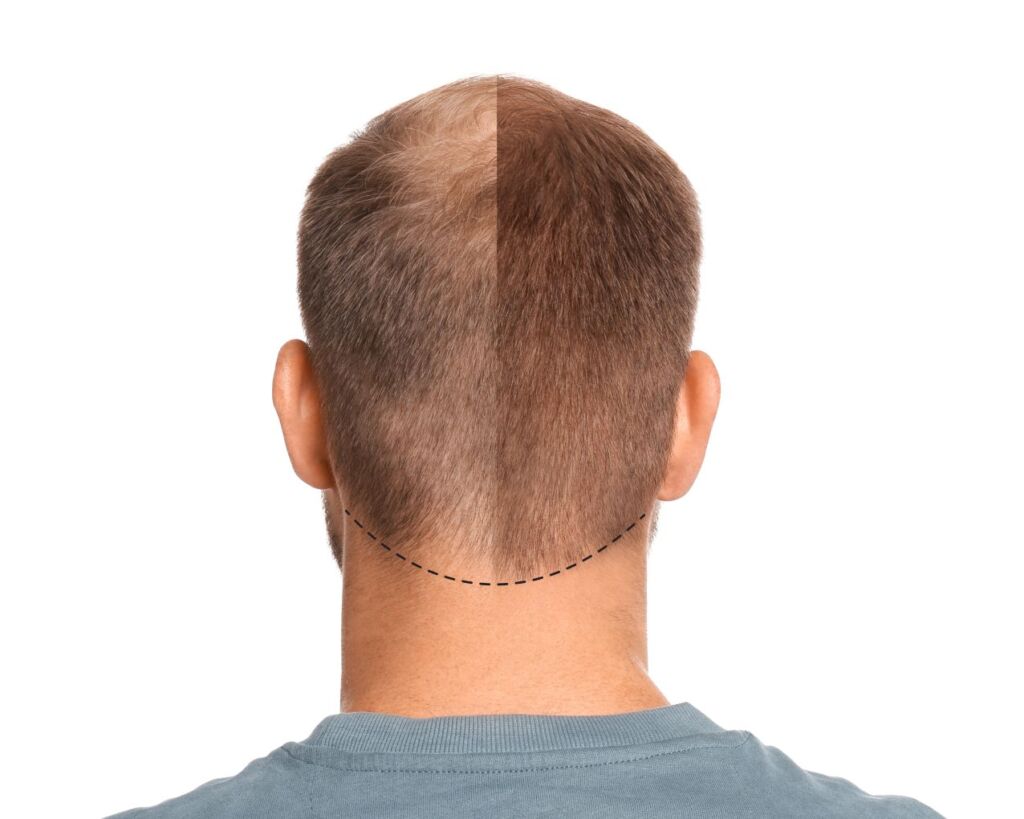
If you are looking at hair transplant before and after photos, compare similar time points. Early photos can be misleading.
A realistic timeline (most patients)
- Days 1 to 10: redness, mild swelling, scabbing
- Weeks 2 to 8: shedding of transplanted hairs is common
- Months 3 to 4: early regrowth may begin
- Months 6 to 12: visible improvement, better styling
- 12 months and beyond: continued maturation (often most noticeable at the hairline)
Shedding is common after a hair transplant. Many transplanted hairs fall out in the first weeks, often called shock shedding, but the follicles usually remain under the skin and regrow over the next few months.
Common Causes of Unnatural Results
Most obvious results come from breaking the natural pattern, not from the transplant itself.
Common causes include:
- A hairline that is too straight, too low, or too sharp
- Wrong angle or direction, especially in temples and front corners
- Poor graft selection at the hairline (too many multi-hair grafts at the edge)
- Overharvesting the donor area, leading to visible thinning with short hair
- Unmanaged ongoing hair loss, creating a thin area behind the transplant
If you are reviewing galleries, also watch for “one-photo marketing.” A single dramatic image does not show the full story. Natural hair transplants are best judged by consistent results across many patients, with clear timelines and multiple angles.
Expert Tips
Small details make the biggest difference in a natural looking hair transplant. Here are two expert-backed points that are easy to overlook:
Tip 1: Design for the future, not just today
“When necessary, a hairline may be placed slightly higher than the original hairline.” [3]
Takeaway: This is often done to protect your donor supply and keep the result looking natural as hair loss progresses.
Tip 2: Protect native hair to keep the result natural
“A combination of medical therapy and surgical intervention is key to maximize long-term density.” [4]
Takeaway: In simple terms, a transplant restores hair where it is placed, but maintaining surrounding native hair can matter for a stable, natural look over time.
FAQs
It can be obvious early on because of redness and scabs. After healing, a well-planned transplant is usually difficult to detect. The most common giveaways are an unnatural hairline shape or incorrect direction.
Surgeons typically design an age-appropriate hairline with a soft, irregular edge and a transition zone built with single-hair follicular units, then increase density behind it.
Some do, usually because expectations were unrealistic, the provider was inexperienced, or future hair loss was not planned for. Satisfaction tends to be highest when timelines and density limits are explained clearly before surgery.
Transplanted hair usually comes from areas that are more resistant to genetic hair loss, so it often lasts long term (the “donor dominance” [5] principle). However, your existing hair around it can still thin over time, so long-term planning matters.
Costs vary mainly based on the number of grafts, the technique (FUE vs DHI), and the country where the procedure is done. For a full cost breakdown and what is typically included, see our hair transplant cost guide.
Request pricing
By sending, you agree we may contact you on WhatsApp with pricing.
Got it! We’ll WhatsApp you the pricing shortly.
Final Thoughts
To achieve a natural hair transplant, focus on the fundamentals: hairline design, angle and direction, density planning, and a realistic timeline. DHI vs FUE matters far less than the skill of the surgeon and team.
A simple selection checklist:
- Review multiple cases at 10 to 12 months, including hairline close-ups and donor photos
- Ask who performs the critical steps (design, site creation, placement)
- Confirm the plan accounts for future hair loss and donor preservation
- Follow aftercare closely, especially in the first two weeks
If you are still unsure what a natural result would look like for you, we are happy to help. Reach out anytime, and our team will get back to you as soon as possible.
References
- Springer: Hair transplant complications review.
- ISHRS: Implanter use and FUE graft quality.
- ISHRS: About your new hairline.
- JAAD (ScienceDirect): Hair transplantation, basic overview and technique.
- ResearchGate: Donor dominance, transplanted hairs retain pigmentation long term.