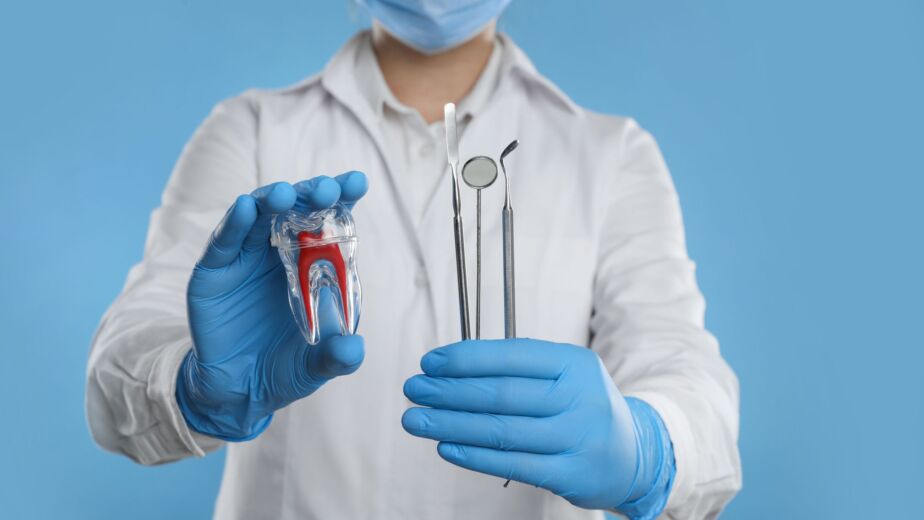
A tiny “click” when you bite. Sore gums around an implant. Or that nagging worry: Is my implant failing?
You’re not alone, and most dental implants problems are treatable when you catch them early.
In simple terms, dental implants problems are issues that affect the implant, the surrounding gum and bone, or the attached tooth on top (like a crown or bridge). Sometimes it’s just short-term healing. Other times it can involve complications like infection, loosening, or bone loss so it’s worth checking early because implants rely on stable bone support over time.
What a dental implants is?
A dental implant is a surgical tooth replacement that works like a new root. A small metal post is placed in the jawbone, then an abutment connects it to the final tooth on top, such as a crown. Treatment is usually done in stages to allow the bone to heal and bond to the implant, which can take a few months. Implant surgery is typically outpatient, with anesthesia ranging from local numbing to sedation in selected cases.
Types of dental implants (the implant itself)
Implant “type” depends on bone quality, anatomy, and whether you’re replacing one tooth or stabilizing a denture.
- Endosteal implants (most common)
Placed directly inside the jawbone and usually shaped like small screws. - Subperiosteal implants
Sit on top of the jawbone but under the gum. Sometimes considered when bone volume is limited and grafting isn’t suitable. - Immediate-load implants (same-day temporary teeth)
In carefully selected cases, a temporary tooth can be placed the same day, when implant stability is strong enough. - Mini dental implants
Narrower implants, often used to help stabilize dentures in the right scenario.
Types of implant restorations (the “tooth” on top)
People often say “implant,” but what you see and chew with is the restoration and it matters just as much.
- Implant crown (single tooth)
One implant supports one crown, commonly used for replacing a single missing tooth. - Implant bridge (multiple teeth)
Replaces several teeth, often supported by fewer implants than the number of teeth being replaced. - Implant-supported denture (fixed or removable)
This option replaces many or all missing teeth. A snap-in denture is removable for cleaning, while a fixed one stays in place and is removed only by a dentist.
Common dental implant problems
Dental implant concerns usually fall into a few clear categories. Knowing which “bucket” your symptom fits into makes it easier to respond calmly and avoid delaying care when it matters.

Early healing (days to weeks)
These are the issues patients notice soon after surgery. Many improve day by day, but the trend is important.
- Soreness, swelling, and bruising
- Mild oozing or light bleeding early on
- Tenderness when chewing (especially on that side)
Gum inflammation and infection (mucositis vs peri-implantitis)
This category is about the tissues around the implant. Early inflammation can be manageable, but ongoing infection may threaten support over time.
- Redness, bleeding when brushing, or persistent gum tenderness (early inflammation)
- Bad taste, pus, increasing swelling, or fever (possible infection)
- Deeper inflammation that may involve bone changes around the implant (more advanced disease)
Mechanical and bite issues (loose crown, screw, high bite)
Sometimes the implant is stable, but the “parts on top” or the bite forces cause trouble, especially if you clench or grind.
- Loose crown or loose screw (movement, clicking, “something feels off”)
- Bite feels high, chewing discomfort, or repeated chipping
- Pressure pain that shows up mainly when biting rather than at rest
“A tiny click can be an early warning. Stop chewing on that side until your dentist checks it.”
Nerve and sinus symptoms (when to act fast)
These aren’t everyday issues, but they deserve quick evaluation if they appear.
- Numbness, tingling, burning, or altered sensation in the lip/chin/tongue
- Sinus pressure, one-sided congestion, drainage, or discomfort after upper implants
Aesthetic changes over time (recession, dark triangle)
These can happen gradually and may not be painful, so patients sometimes ignore them until they’re more noticeable.
- Gum recession, dark triangles, or changes in the gum line around the implant crown
- Shadowing near the gum (especially with thin tissue)
Dental implants solutions (what to do next)
The best dental implants solutions depend on two things: severity and timing. Start with safe steps, then let a dentist confirm the cause, especially if symptoms are worsening or persistent.

What you can do safely at home
These steps are reasonable while you’re arranging an appointment (or during early healing), as long as symptoms are mild and improving.
- Follow post-op instructions closely (soft foods, gentle cleaning, medication as prescribed)
- Avoid triggers that can restart bleeding or irritate the area (vigorous rinsing, smoking, hard chewing)
- Keep the area clean, but don’t “over-scrub” around the surgical site
- If the bite feels strange or a crown feels loose, avoid chewing on that side until checked
- Track your symptoms (when they started, what’s changing, any fever or bad taste) so your dentist gets a clear picture quickly
“Avoid self-medicating with leftover antibiotics. Wrong timing or dose can mask a problem without fixing it.”
What your dentist may do in clinic
Clinic solutions depend on the category of the problem, gum-related vs mechanical vs nerve/sinus. Common next steps include:
- Examination of the implant, gums, and bite (often the bite is the hidden cause of repeated discomfort)
- Professional cleaning around the implant and tailored hygiene guidance/tools
- Tightening or replacing a screw, adjusting the crown fit, or repairing/remaking a damaged crown
- Imaging (X-rays or 3D scan) if there’s concern about bone support, nerve proximity, or sinus involvement
- Targeted treatment for infection/inflammation when clinically indicated (cleaning, drainage if needed, and medication chosen appropriately)
If you’re planning next steps and also thinking about budget, we’ve explained the main factors that change dental implant cost in Turkey.
Request pricing
By sending, you agree we may contact you on WhatsApp with pricing.
Got it! We’ll WhatsApp you the pricing shortly.
When timing matters (don’t wait)
This is the “book urgently” zone, because delaying can make treatment more complicated.
- Pain that’s getting worse instead of improving after the first days
- Increasing swelling, pus, bad taste, fever, or feeling unwell
- A crown that suddenly feels loose, or new clicking/movement that wasn’t there before
- New or worsening numbness/tingling in the lip, chin, tongue, or gums
- Persistent sinus symptoms after upper implants (especially one-sided pressure/drainage)
Dental implants complications
It helps to talk about possible complications clearly, without turning it into a scary story. Dental implant risks can include infection, irritation to nearby tissues, nerve-related symptoms, or sinus-related issues in upper implants.
Complications become more likely when several risk factors are present at the same time, especially untreated gum disease, smoking, uncontrolled diabetes, poor daily cleaning, or heavy clenching and grinding. That’s why a careful assessment and a solid maintenance routine matter as much as the procedure itself.
“Most risks are manageable when your dentist knows your full history. Smoking, diabetes control, and grinding matter.”
Implant Integration Failure: Overview
When we talk about “failure,” it usually means the implant didn’t bond with the bone as expected (poor osseointegration) or it lost support later on. In these cases, the implant may need to be removed so the area can heal properly before planning the next step.
A practical clue is mobility. If integration doesn’t occur the way it should, the implant can become consistently movable, and X-rays may show bone loss around it. For a full checklist of warning signs and what they can mean, see our guide on Dental Implant Failure Signs.
Prevention and long-term care
Most long-term problems are preventable, if you treat implants like teeth that need structured maintenance (because they do). Here’s what consistently matters:

- Brush and clean around the implant daily. Mayo Clinic recommends keeping implants and gum tissue clean, and notes interdental brushes can help reach the “nooks and crannies.”
- Keep regular checkups and professional cleanings. Monitoring catches mucositis before it turns into peri-implantitis.
- Avoid damaging habits. Don’t chew hard items like ice or hard candy, and address clenching/grinding early if it’s part of your habits.
- Control risk factors. Smoking and diabetes are repeatedly linked with peri-implant disease risk and poorer healing.
- Ask for a bite check if anything feels “off.” A small bite imbalance can create repeated overload.
Dental implants problems: urgent vs normal signs
This is the section patients tell us they wish existed on day one.
What’s often normal (early healing)
Swelling, bruising, soreness at the implant site, and light bleeding can happen after surgery. Mild discomfort that improves over the next few days, a small amount of oozing, and tenderness when chewing soft foods are also common during early healing.
Signs to contact a dentist urgently (same day)
- Pain that’s getting worse instead of better after a few days
- Swelling that’s increasing, or swelling with a bad taste/pus
- Fever or feeling unwell
- A crown that suddenly feels loose, or new movement around the implant
- New numbness/tingling in lip, chin, tongue, or gums
- Persistent bleeding that restarts repeatedly
Signs to go to emergency care (ER)
- Trouble breathing or swallowing
- Rapidly spreading facial swelling
- Heavy bleeding that won’t slow down
- Severe allergic symptoms (hives, facial/lip swelling, wheezing)
When in doubt, it’s safer to call and be told “you’re healing normally” than to miss an early infection or nerve issue.
FAQs
Upper back implants sit close to the sinus, so sinus issues can happen. If you get persistent one-sided pressure, congestion, or drainage, get it checked.
There’s no “safe” number. Heavy or frequent drinking, especially right after surgery, can slow healing, so it’s best to avoid alcohol early on and follow your dentist’s advice.
All-on-4 can work well, but common problems include temporary teeth chipping, screw loosening, bite overload, sore spots, and harder cleaning under the bridge, especially with grinding or limited bone.
Some soreness is expected early on, but it should trend better. Severe pain, especially with swelling, fever, pus, or a bad taste, needs evaluation.
They can, usually due to peri-implantitis, bite overload (grinding), or changes in health and hygiene over time. Ongoing monitoring is part of keeping implants stable.
A calm next step
If you’re experiencing symptoms, you don’t need to diagnose yourself. You just need the right clinical check at the right time. Our team can review your concerns, assess your implant health (gums, bite, and bone support), and explain the safest options based on your exact situation.
Start a Conversation
Contact us through the communication method that suits you