Dental implants are designed to feel stable, like a natural tooth. So if something suddenly feels “off”, it is normal to worry. The good news is that dental implants failure is not the most common outcome, and many problems can be treated when caught early. Implants also have high long-term survival in large studies, which is why early action matters more than panic.
This guide explains the failing implant symptoms that deserve attention, why dental implants fail, and what your dentist can do next. Understanding these warning signs is also an important part of planning dental implants treatment.
Loose Implant or Loose Crown? How to Tell the Difference
A very common reason people search “dental implants failure” is a simple feeling: “My implant is loose.” The key detail is what is loose.
1) If the crown feels loose (often fixable):
- The chewing surface (crown) may wiggle, but the gum around the implant does not feel increasingly painful.
- You may notice a gap, a clicking sensation, or a change in bite.
- This can happen if the retaining screw loosens or the cement bond weakens.
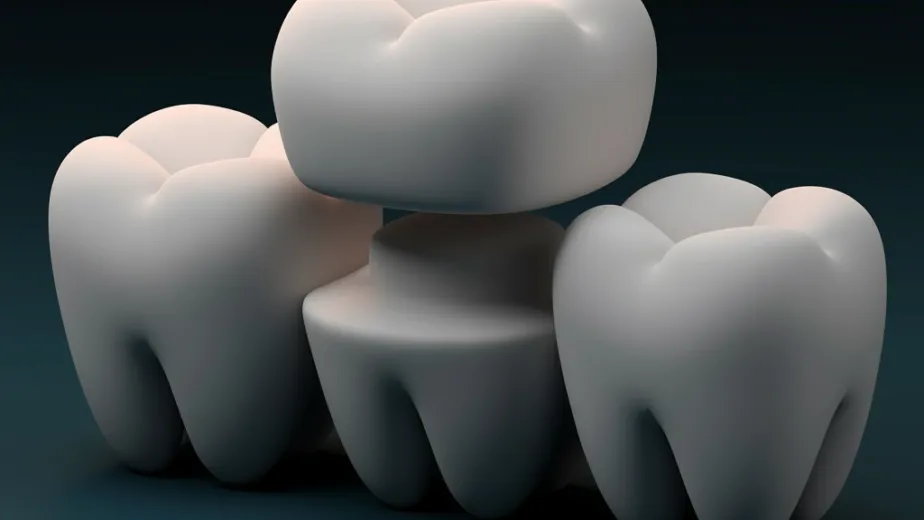
Quick note: Implant crowns are usually attached with a small screw or dental cement, and both issues are often fixable.
2) If the implant itself feels loose (more urgent):
- The whole unit feels like it moves from the gum/bone.
- Chewing feels unstable, or you avoid biting on that side.
- Mobility is a major red flag because a stable implant depends on a firm bone connection called osseointegration.
What to do right now
- Do not try to tighten or pull anything at home.
- Avoid chewing on that side.
- Book an evaluation soon, especially if there is swelling, bleeding, pus, or fever.
Start a Conversation
Contact us through the communication method that suits you





Early Signs of Dental Implants Failure
During the healing and osseointegration phase (often within the first weeks to a few months), problems can appear. Knowing what is normal during the implant recovery timeline can help you spot red flags early.
Early warning signs to take seriously
- Implant mobility: the implant itself moves. This is not normal.
- Pain that increases over time: mild soreness can be normal early on, but pain that keeps getting worse needs evaluation.
- Swelling that does not settle or returns after improving: especially if it becomes more intense or spreads.
- Persistent bleeding or discharge: bleeding that does not match normal brushing irritation, or any pus or bad taste.
- Fever or feeling unwell: can signal infection and should not be ignored.
Late Implant Failure Symptoms
Late failure can show up months or years later, often linked to peri-implant diseases (inflammation around implants) and bone changes.
A key condition is peri-implantitis, which is typically defined by inflammation around the implant (often bleeding or pus on probing) plus radiographic bone loss after initial healing and increasing pocket depth compared with earlier measurements.
Symptoms that may appear later
- Bleeding when brushing around the implant that keeps happening.
- Swollen, tender gum around the implant.
- Bad taste or pus coming from the gumline.
- Gum recession around the implant, teeth looking “longer,” or a visible metal margin.
- Bite changes or discomfort when chewing.
- New or increasing mobility (late mobility is also urgent).
If you have a history of gum disease, smoking, or uncontrolled blood sugar, your risk profile changes. These factors are repeatedly discussed as important risk indicators for peri-implantitis across reviews.[1]
Common Causes of Implant Failure
Implant problems rarely come from one single cause. Usually it is a combination of bacteria, healing capacity, bite forces, and maintenance habits. Below are the key factors that most often lead to implant failure.
Infection and Peri-Implantitis
Infection can happen early (during healing) or later (after the implant has been in function for a long time). Peri-implantitis is a major cause of late complications and bone loss around implants.

What increases risk?
- A history of periodontitis (gum disease)
- Smoking
- Poor plaque control and irregular professional maintenance
- Uncontrolled hyperglycemia (diabetes control issues)
Smoking, in particular, shows a clear association with higher peri-implantitis risk in meta-analyses.[2]
Bone Loss Around Implants
Bone loss is not always dramatic at first. It can progress slowly until the implant loses support. Bone loss is part of how peri-implantitis is diagnosed and differentiated from milder inflammation.
It often happens because of:
- Ongoing inflammation (peri-implantitis)
- Excessive bite forces
- Implant position or restoration design that makes cleaning difficult
- Lack of supportive care after treatment
Regular supportive implant therapy and maintenance are linked with lower peri-implantitis risk and better long-term outcomes compared with no maintenance.
Poor Oral Hygiene
This is not about “blame.” It is about biology. Dental plaque is a biofilm, and implants can develop inflammation just like natural teeth. If brushing and interdental cleaning around the implant are inconsistent, the risk of mucositis (early inflammation) rises, and that can progress in susceptible patients.
Helpful habits that matter:
- Gentle brushing along the gumline, twice daily
- Interdental brushes or floss designed for implants, as recommended by your dentist
- Regular professional cleanings and implant checks
Bite overload and grinding (bruxism)
Even a well-placed implant can struggle if it is exposed to heavy, repeated forces. Clenching and grinding can overload the implant and the restoration, leading to loosening components, bone stress, or fracture risk. Your dentist may recommend bite adjustment or a night guard if signs of bruxism exist.

Medical and lifestyle factors
Two big examples:
- Diabetes control: High blood sugar can worsen inflammation and increase the risk of peri-implantitis.
- Alcohol: There is no reliable “magic number” of drinks that causes dental implants failure. However, heavy or long-term drinking can weaken immune function, slow recovery, and worsen healing in general surgical and bone-healing research.[3]
Practical takeaway: avoid alcohol during the immediate healing period and while taking antibiotics or pain medications, then follow your clinician’s specific guidance.
Treatment Options if an Implant Fails
The right treatment depends on what is failing (crown vs implant), why it is happening, and how much bone support remains.

Step 1: Confirm the cause
A clinic evaluation may include:
- Checking crown stability and screw access
- Gum assessment (bleeding, swelling, pus)
- Bite evaluation
- Imaging to assess bone levels and look for changes consistent with peri-implantitis or other complications
Step 2: Treat what can be saved
If the implant is stable and the main issue is inflammation or a loose restoration:
- Tighten or replace a loose screw, re-cement or remake the crown when needed
- Professional cleaning and decontamination around the implant
- Bite adjustment if overload is suspected
- Targeted therapy for peri-implant disease, which may range from non-surgical approaches to surgical treatment depending on severity
Step 3: When removal is necessary
If the implant moves or the supporting bone is severely damaged, your dentist may recommend removal to protect the surrounding bone and tissues. Implant mobility often means the implant did not integrate with the bone or it has lost that integration.
After removal, options may include:
- Bone grafting (if needed)
- Healing time
- Re-implant placement later, or alternative restorations depending on anatomy and risk factors
Can you save a failed dental implant?
Sometimes you can save the situation, but it depends on the definition of “failed.” If the implant itself is mobile, saving it is difficult. If the issue is peri-implant inflammation caught early, treatment plus strong maintenance can stabilize disease and protect long-term function.
FAQs
Usually it is shared. Success depends on proper planning and placement, a stable bite and restoration, and patient factors like smoking, diabetes control, daily cleaning, and regular maintenance.
Implant failure is most often linked to poor early integration, infection or peri-implantitis with bone loss, or bite overload from grinding. Smoking and high blood sugar increase risk.
Focus on the basics you can control: avoid smoking, keep diabetes well managed, follow post-op instructions, clean carefully every day, and attend regular maintenance visits.
No. Pulling it can damage the implant components, irritate the gum, or create a swallowing or choking risk. Avoid chewing on it and contact your dentist so it can be safely tightened, re-cemented, or repaired.
There is no proven cutoff. Heavy drinking can slow healing, so avoid alcohol during early recovery and while taking medications.
Costs vary by case and depend on the removal difficulty and whether you need infection treatment, bone grafting, or a replacement implant. For details, see our guide to dental implant cost in Turkey.
Final Thoughts
Most implant problems do not start as “failure.” They start as small changes: a crown that feels different, bleeding when brushing, swelling that does not settle, or discomfort that slowly returns. The earlier these signs are checked, the more options you usually have to protect the implant and the surrounding bone.
If your implant or crown feels loose, avoid chewing on that side and book a professional evaluation. With the right diagnosis and maintenance plan, many patients can keep their implants stable for years.
References
- Current Oral Health Reports. A Comprehensive Review of Peri-implantitis Risk Factors .
- Europe PMC. The influence of smoking on the incidence of peri-implantitis .
- Alcohol Research: Current Reviews. Alcohol and the Immune System: Editors’ Note .