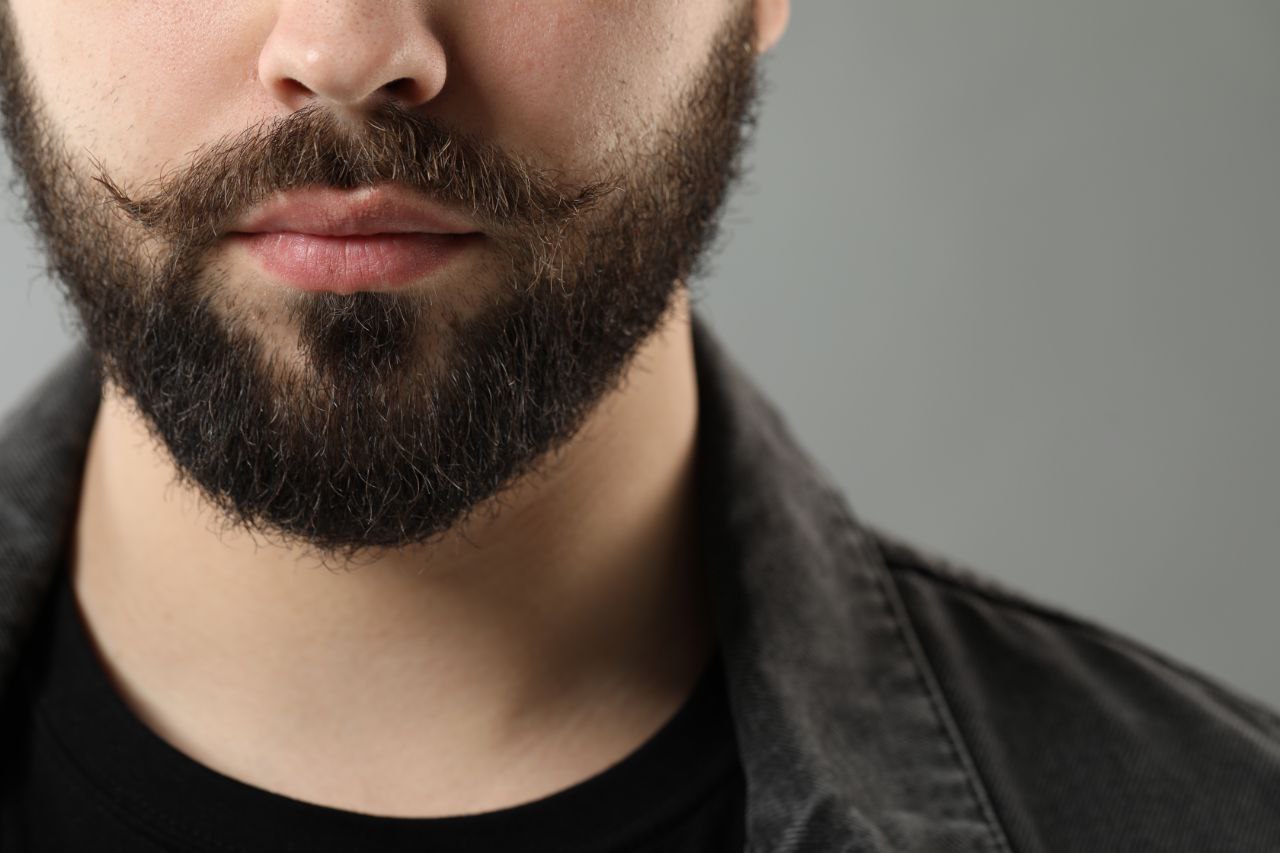
Your beard transplant timeline starts the moment the procedure ends. You’ve done the hard part: surgery is over, and you’re finally on your way to a fuller, more defined beard. Now comes the part nobody warns you about enough: the waiting.
The first days are all about protecting tiny grafts. The next few months can feel quiet (sometimes frustratingly quiet). And then, almost suddenly, the beard starts to look like it’s “waking up.”
This guide walks you through a realistic beard transplant timeline, step by step, with practical beard transplant aftercare tips and clear signs of what’s normal vs. what needs a call to your clinic.
Quick note on terminology: Most beard transplants are done using FUE-style graft extraction from the scalp and implantation into the beard area. Healing and growth patterns are similar to scalp transplants, but facial skin can be more sensitive and visible during the early phase.
Beard Transplant Timeline: At a Glance
Recovery isn’t linear, and that’s normal. In the first two weeks, your job is simply to protect the grafts while the skin settles. After that, many people go through a shedding phase before new growth kicks in.
This quick timeline shows the main milestones so you know what to expect at each stage.
Day 0: Procedure Day
What’s normal
- Pinpoint “dots” where grafts were placed and tiny blood spots that turn into scabs.
- Tightness, mild soreness, and a “windburn” feeling on the recipient area.
- Some swelling, often most noticeable in the first few days.
What to do
- Treat your face like it’s fragile glass today.
- Follow your clinic’s instructions exactly on touching, cleansing, and medication.
Days 1–3: Protect the Grafts
What’s happening
- The skin starts sealing around grafts.
- Redness and tenderness are common.
- Scabs begin forming around each implant site.
Beard transplant aftercare focus
- No picking, scratching, or “checking” the grafts.
- Keep your head elevated when resting if your clinic recommends it (it can help swelling settle).
Call your clinic if
- You develop worsening pain, spreading redness, fever, or pus-like drainage.
Days 4–7: Scabs & Early Changes
This week often surprises people because the beard can look worse before it looks better.
What’s normal
- Scabs look darker and more obvious.
- Itchiness can show up.
Aftercare tip
- If washing is allowed by your clinic at this stage, use only the technique they show you, with gentle pressure and no rubbing
Days 8–10: Scabs Loosen
By now, many patients notice scabs beginning to flake away naturally as washing continues (if permitted).
What’s normal
- Scabs gradually lift and fall off.
- Redness may linger, especially on lighter skin tones or very sensitive skin.
- The beard can look patchy as scabs fall and some hairs shed.
Days 11–14: Calmer, Not Done
What’s happening
- Many people are through the most visible healing.
- Grafts are typically more secure by the end of the second week, and scabs are often mostly gone.
Can you shave yet?
- Many surgeons advise waiting around 10–14 days before shaving (and longer for a close shave), but the safest answer is: do it only when your clinic clears you.
Medical Team Tip – Birgül Klinik
“keep cleansing gentle and avoid friction or close shaving until you’re cleared, most setbacks happen when patients feel ‘back to normal’ too soon.”
Weeks 3–8: Shedding Phase
If you notice transplanted hairs falling out, you’re not alone.
Why it happens
- After implantation, follicles can enter a resting phase. The hair shaft sheds, while the follicle stays behind to produce a new hair later.
What it looks like
- Patchiness (sometimes very similar to your pre-op look)
- Slower “visible progress” than you expected
This is the part where patience actually matters.
Months 3–6: New Growth
This is where many people finally get relief because they can see change again.
What’s normal
- New hairs begin emerging and gradually lengthen.
- Texture can be wiry or inconsistent at first.
- By around 6 months, many patients see “good” or clearly noticeable improvement, though it’s not the final result yet.
Months 6–12 (Up to 15): Final Results
This is the polishing stage.
What improves
- Density increases (more hairs in active growth)
- The beard starts to blend better with existing facial hair
- Patchiness continues filling in for many patients through the later months

What Affects Your Results?
Even with perfect aftercare, timelines vary. Common factors:
- Graft numbers and placement density
- Skin type and healing tendency
- Age and individual hair-growth cycles
- Smoking/vaping and poor sleep (often slows healing)
- Post-op irritation (picking scabs, shaving too early, aggressive washing)
Beard Transplant Aftercare Tips
Most clinics’ instructions differ in details, but these principles are consistent:
- Keep the recipient area clean and protected (using only clinic-approved methods/products).
- Avoid anything that increases infection risk or friction, like scratching, rough towels, or close shaving too soon.
- Take prescribed meds exactly as directed (pain relief, antibiotics if prescribed, etc.).
Beard Transplant in Turkey: Recovery Planning
If you’re traveling for treatment, the smartest way to plan is around aftercare, not just the procedure day. This is especially true for anyone coordinating a hair transplant in Turkey, where flights, hotel timing, and follow-ups all shape how calm recovery feels.
A smart travel checklist:
- Choose a provider with clear medical oversight and documented experience (ask who does the extraction and who does implantation).
- Have a written aftercare plan before you fly.
- Keep your schedule light for the first week, because your face may look more “obvious” than you expect.
- Make sure you know how follow-ups work once you’re home (photos, video check-ins, what counts as urgent).
Risks & Side Effects After a Beard Transplant
A beard transplant is generally considered a low-risk procedure when it’s performed by an experienced medical team and you follow aftercare closely. Still, it’s surgery on the skin, so some side effects are expected, and a few complications are possible.
Common, usually temporary effects include redness, swelling, tenderness, itching, and small scabs in the recipient area (and tiny scabs in the donor area if FUE was used). Some patients also notice pimple-like bumps (folliculitis) as new hairs start to emerge. This can look alarming, but it’s often treatable when addressed early.
Less common risks can include infection, prolonged redness or hyperpigmentation, numbness or altered sensation, ingrown hairs, and uneven growth or patchiness if graft survival is affected. In rare cases, scarring can occur (more likely if the skin is prone to keloids or if the area is repeatedly irritated). The best way to reduce risk is simple: don’t pick scabs, avoid early shaving or friction, and contact your clinic quickly if something feels “off.”
When to contact your clinic urgently
- Sudden bleeding that doesn’t stop with gentle pressure.
- Fever, increasing pain, or rapidly worsening swelling.
- Spreading redness, warmth, or foul-smelling drainage.
- Clusters of painful pustules that keep worsening.
Start a Conversation
Contact us through the communication method that suits you





Frequently Asked Questions (FAQ)
Many patients notice early regrowth around 3 months, with more meaningful cosmetic change between 3–6 months, and fuller results closer to 12 months.
Not usually. Shedding is commonly part of the normal cycle after transplantation. The hair shafts may fall while the follicles rest, and new growth usually comes later.
Often 10–14 days is a common minimum before shaving is even considered, and longer may be advised for a clean shave. Follow your surgeon’s rule here, not social media.
Contact your clinic urgently for fever, spreading redness, worsening swelling, increasing pain, foul-smelling drainage, or clusters of painful pustules. (Folliculitis can happen and is treatable—but it should be assessed.)
Ready to Plan Your Recovery?
If you’re planning around work, travel, or an important date, we can map your Beard Transplant Recovery Timeline to your calendar and skin type. That way, your recovery feels steady, not stressful. Book a consultation and we’ll build a clear beard transplant aftercare plan you can actually follow, whether you’re in France, Morocco, Algeria, or wherever you’re reading from.