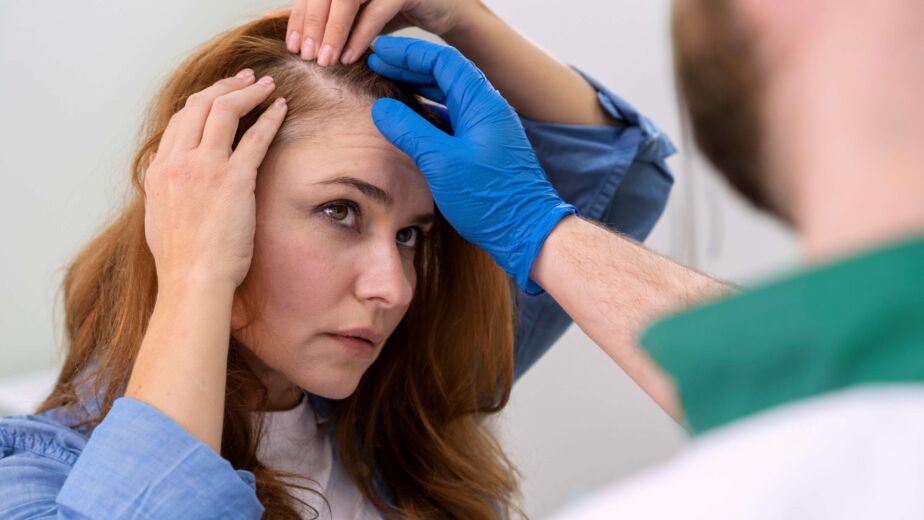
A Brazilian Butt Lift (BBL) reshapes the buttocks using your own fat, with liposuction removing fat from areas like the abdomen or waist, then the purified fat is reinjected to improve contour and projection. In Turkey, this procedure is frequently researched as “BBL Turkey” by patients who want to compare pricing, safety standards, and real-world results before booking a consultation.
Turkey can be appealing because clinics often offer organized packages, but it’s essential to know that a BBL carries higher-than-average risk in cosmetic surgery, so technique, surgeon credentials, and aftercare planning matter more than the headline price.
Why people choose Turkey
Turkey is popular for cosmetic surgery because high-volume clinics often bundle surgery, hospital care, and logistics into a single quote. That can make budgeting easier, especially for international patients.
A quick reality check, though: the best “deal” is the one that doesn’t cut corners on safety, anesthesia, or follow-up.
What you’re really paying for
Beyond the surgeon’s fee, your quote often reflects:
- Operating room and hospital costs
- Board-certified anesthesia care
- Liposuction areas (more areas usually means more time)
- Safety protocols (monitoring, ultrasound use, emergency readiness)
- Compression garments, early checkups, and medications
What a BBL involves
A Brazilian butt lift is liposuction plus fat transfer. Fat comes from areas like the abdomen, flanks, back, or thighs. The surgeon processes it and then injects it into the buttocks to improve shape and projection. In medical terms, this procedure augments the buttocks with transferred fat and uses liposuction to refine overall contour.
Lipo + fat transfer basics
Most clinics follow a flow like this:
- Pre-op assessment and markings
- Liposuction (fat harvesting)
- Fat processing (cleaning/concentrating)
- Fat grafting (injection to sculpt shape)
- Compression + recovery monitoring
Who is a good candidate
You’re usually a better fit if you:
- Have enough donor fat for transfer
- Are medically stable (no uncontrolled chronic conditions)
- Can follow strict recovery rules (no sitting on the graft early on)
- Have realistic expectations about size and symmetry
If you’re very lean, a surgeon may discuss alternatives (or a staged approach) rather than over-promising volume.
BBL Turkey cost
Turkey pricing varies widely by city, surgeon experience, hospital level, anesthesia plan, and how comprehensive the package is. Because of that, treat online “from” prices as marketing. Instead, your real quote should come after a medical review and a clear, itemized plan.
Price ranges table
| Item | Typical range (USD) | What affects it |
|---|---|---|
| BBL surgery package | $3,000–$7,500 | Surgeon, hospital, anesthesia, technique, complexity |
| Extra lipo areas | +$350–$1,180 | Number of areas, time, fibrosis, revisions |
| Imaging / labs | $0–$350 | Clinic policy, medical history |
| Post-op garments | $60–$200 | Brand, whether 1 or 2 garments |
| Lymphatic massage (series) | $150–$700 | Number of sessions, provider |
| Travel add-ons | $0–$590+ | VIP transfer, hotel tier, interpreter |
Important: clinics structure packages differently. Always ask for an itemized version so you can compare like-for-like.
What changes the final quote
The biggest cost drivers are:
- Safety level of the setting: hospital vs office-based surgery, overnight monitoring
- Anesthesia plan: anesthesiologist-led care and monitoring
- Revision vs first-time BBL: revisions tend to cost more
- Extent of liposuction: more areas and more time increases price
- Technique choices: some clinics use ultrasound guidance for safer placement
Request pricing
By sending, you agree we may contact you on WhatsApp with pricing.
Got it! We’ll WhatsApp you the pricing shortly.
What’s usually included
Many Turkey packages commonly include:
- Surgeon and anesthesia fees
- Hospital/OR costs
- Medications during the stay
- Compression garment
- Transfers (airport–hotel–clinic)
- Early post-op checks
Ask what’s not included (extra nights, additional garments, lab repeats, complications care, or revision policies).
Safety and key risks
BBL is widely discussed in plastic surgery because serious complications can occur, including rare but life-threatening fat embolism. Multi-society advisories emphasize strict technique and caution.
Fat embolism and injection plane
A major safety focus is where fat is injected. Safety statements and advisories highlight injecting fat only in the subcutaneous space (above the gluteal fascia) to reduce risk.
Some surgeons use real-time ultrasound guidance to confirm the cannula stays in the intended plane during injection; published surgical literature describes ultrasound-guided transfer as a way to avoid intramuscular placement.
Other complications to know
Potential risks include:
- Infection, bleeding, seroma (fluid collection)
- Poor wound healing or skin irregularities from liposuction
- Fat necrosis (firm lumps), oil cysts
- Asymmetry or under-correction
- Deep vein thrombosis (blood clots) and anesthesia-related risks
As part of a proper evaluation, a responsible clinic will review your personal risk factors, such as smoking, clot history, BMI, anemia, and medications. Then they’ll explain how each one is managed to reduce overall risk.
Questions that reveal safety standards
When you’re comparing clinics, ask:
- “Is fat injected only subcutaneously?”
- “Do you use ultrasound guidance during injection?”
- “Who provides anesthesia? Is it an anesthesiologist?”
- “What monitoring and emergency capability does the facility have?”
- “What’s your policy if I develop a complication after I fly home?”
BBL Turkey before and after

Photos can help you understand a surgeon’s style, but they don’t replace a plan based on your anatomy.
What “good” results look like
Look for:
- Smooth waist-to-hip transition (not just “bigger”)
- Balanced projection from the side
- Symmetry in lower body proportions
- Natural contour at the lower back and hips
To get a fair comparison, try to view sets with body types similar to yours, and also ask how many months post-op the “after” photo was taken.
How much fat survives
Not all transferred fat survives long term. Clinics often discuss this as a range, because survival depends on technique, blood supply, and aftercare (including avoiding pressure early on). Your surgeon should explain what they expect for you rather than quoting a single number.
Recovery timeline by stage
Recovery is where results are protected. The first few weeks matter because pressure and swelling can affect how the graft settles.
Day 1–7
- Expect soreness, bruising, and swelling from liposuction and grafting.
- You’ll likely be advised to avoid sitting directly on the buttocks, sleep on your stomach/side, and wear compression.
- Short walks are encouraged to lower clot risk, but activity stays light.
Transition: After the first week, discomfort usually becomes more manageable, but swelling can still be dramatic.
Week 2–4
- Many people return to desk work with modifications (standing breaks, special pillows if approved).
- Swelling gradually improves; shape can look uneven day-to-day.
- Light activity may resume, but intense exercise is usually restricted.
Transition: By the second month, you’ll often feel “more normal,” even though the body is still remodeling.
Month 2–6
- Swelling continues to settle; contour becomes clearer.
- Your surgeon may allow progressive exercise, including lower-body training, based on healing.
- Scar care and massage plans may be adjusted.
Transition: In the longer term, the goal is a stable shape, rather than chasing daily changes in the mirror.
Month 6–12
- Results typically look more consistent.
- Weight changes can still affect the outcome because transferred fat behaves like fat elsewhere.
- Some patients discuss small refinements only after full healing.
Normal vs call the doctor
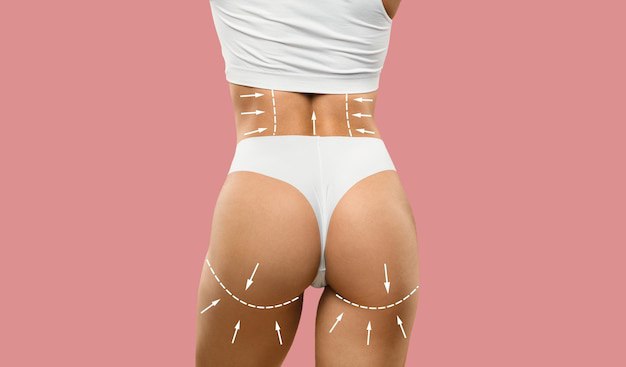
Knowing what’s expected can lower anxiety and help you act quickly when something isn’t right.
Common, expected symptoms
Often normal in early recovery:
- Bruising and firm swelling in liposuction areas
- Mild drainage from incision sites in the first days
- Tightness from compression garments
- Temporary numbness or skin sensitivity changes
Red flags after surgery
Contact your surgeon/seek urgent care if you have:
- Shortness of breath, chest pain, fainting, or sudden severe weakness
- One-sided leg swelling or calf pain
- Fever, worsening redness, pus-like drainage, or escalating pain
- Rapidly expanding swelling, severe asymmetry with hard tension, or uncontrolled bleeding
- Confusion, severe dizziness, or inability to keep fluids down
If you’re traveling, make sure you confirm this before surgery: how the clinic handles emergencies and how it coordinates with local care.
Choosing a surgeon or clinic
A lower quote isn’t worth it if safety standards are unclear. Use a checklist, compare answers, then decide.
Quick checklist
- Surgeon’s credentials and focus in body contouring
- Hospital accreditation and anesthesia team details
- Clear statement: subcutaneous-only injection
- Willingness to discuss complications and prevention (not just “perfect results”)
- Transparent photos with timelines (how many months post-op)
- Written aftercare plan and follow-up schedule
- Revision policy explained in writing
- No pressure sales tactics
Planning your trip
Most international patients stay long enough for early checks and to ensure mobility is safe before flying.
Typical length of stay
Many clinics advise staying at least 7–10 days, but your surgeon’s recommendation depends on how extensive the liposuction is and your medical profile.
Follow-up and aftercare
Ask how follow-up works once you’re home:
- What symptoms require immediate messaging
- Whether virtual check-ins are scheduled
- Who helps if you need wound care locally
Frequently Asked Questions (FAQ)
Most BBL packages in Turkey cost $2,950–$7,670, depending on the surgeon, hospital, anesthesia plan, and the number of liposuction areas.
Any BBL has real risks, including rare serious complications. Safety depends on the surgeon’s technique, anesthesia standards, the facility, and your health.
Ask if fat is injected only under the skin (subcutaneous) and if they use ultrasound to confirm the cannula stays in the safe plane.
Many patients need to avoid direct pressure early on, then ease back into sitting with modifications based on their surgeon’s protocol. The exact timing varies by technique and healing, so you should follow your surgeon’s written plan rather than a one-size-fits-all rule.
Sometimes, but combining procedures can increase operative time and may raise risk for certain patients. A responsible surgeon will decide case-by-case and may recommend staging procedures instead, especially if you have clot risk factors or need extensive liposuction.
Soft next step
If you’re considering BBL turkey and want a realistic plan, we can review your goals, medical history, and photos to estimate donor fat, safety factors, and likely timelines. Reach out for an evaluation, and we’ll give you clear guidance on whether you’re a suitable candidate.
Educational note: This article is general information and not a substitute for an in-person exam. Outcomes and risks vary by anatomy, health status, surgical technique, and aftercare.