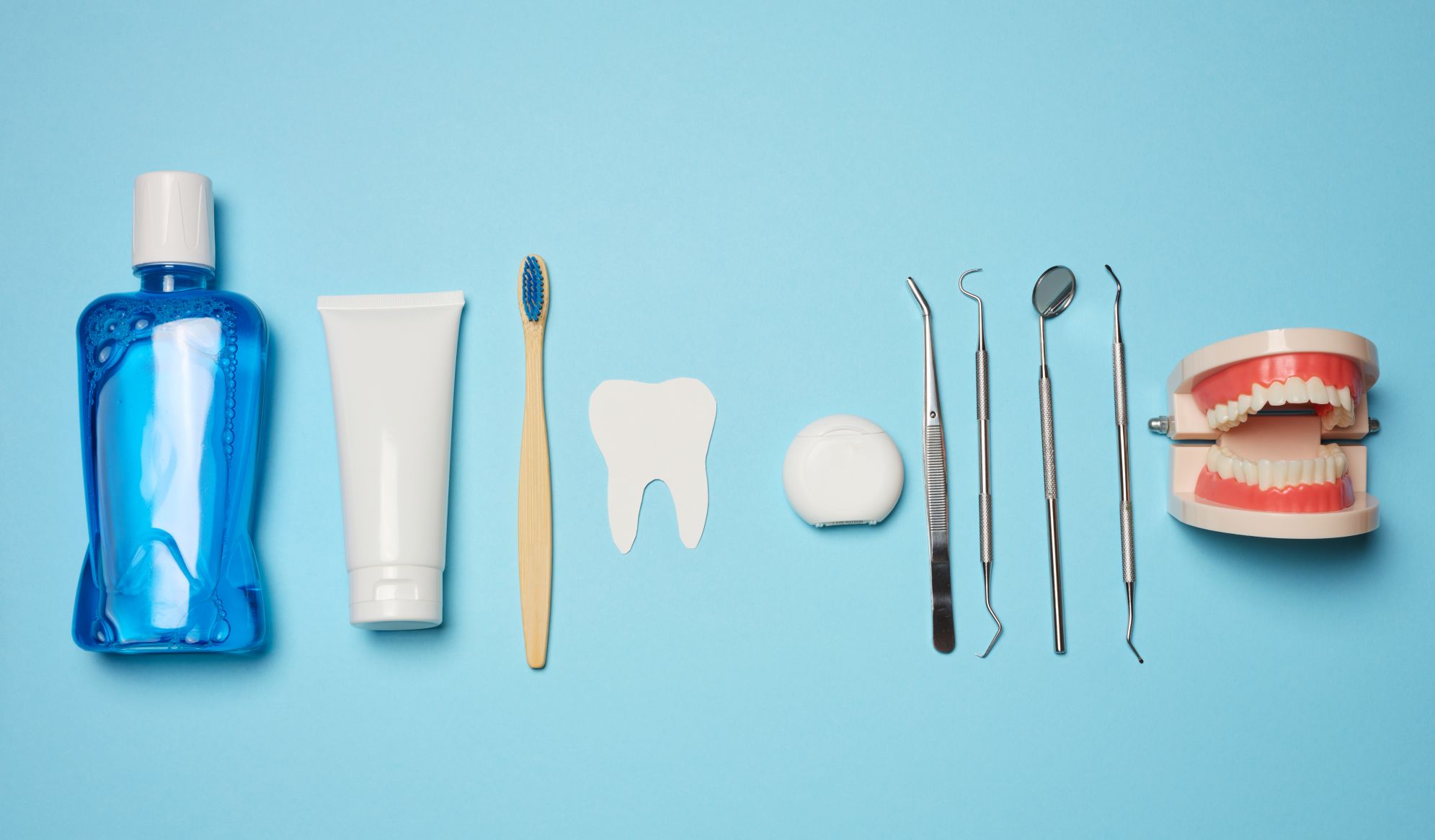
Poor oral health often starts quietly. A little bleeding while brushing, bad breath that keeps coming back, or sensitivity when eating may seem minor at first, but these early signs can point to bigger problems that affect far more than your mouth. Poor oral health can influence comfort, confidence, daily function, and even your overall health over time.
What Is Oral Health?
Oral health refers to the condition of your teeth, gums, tongue, and the tissues inside your mouth. It also includes how comfortably you can eat, speak, and smile in daily life. A healthy mouth supports daily comfort and can also reflect broader aspects of overall health.
Main parts of oral health
- Teeth: They should feel strong, stable, and comfortable when chewing. Cavities, sensitivity, or pain are signs something may need attention.
- Gums: Healthy gums are usually firm and do not bleed easily. Redness, swelling, or bleeding can be early signs of gum disease.
- Tongue: The tongue supports taste, speech, and chewing, and it can also hold bacteria that contribute to unpleasant breath.
- Oral tissues and breath: The inside of the mouth should feel moist and comfortable. Ongoing sores, dry mouth, or persistent bad breath can signal an underlying oral issue that should not be ignored.
Oral health may begin in the mouth, but its effects do not always stay there.
How Oral Health Affects Your Overall Health
Your mouth is closely connected to the rest of your body. When oral health is neglected, it can affect daily comfort, overall wellness, and the risk of certain health problems over time.
The link between oral bacteria and inflammation
Your mouth naturally contains bacteria, but when plaque builds up, it can irritate the gums and lead to inflammation. This is one reason conditions in the mouth may be connected to overall health, even if the exact link is not always fully understood.
Oral health and gum disease
One of the clearest examples is gum disease. It often starts as gingivitis, which may cause red, swollen, or bleeding gums. If ignored, it can progress deeper into the supporting tissues and bone around the teeth, leading to pain, chewing problems, loose teeth, and tooth loss.
Oral health and heart health
Doctors often discuss gum disease and heart health together because researchers have found a link between gum disease and cardiovascular problems. Poor oral health may increase inflammation and may relate to heart and vascular conditions, although shared risk factors such as smoking, poor diet, obesity, and diabetes also play a role.
Oral health and diabetes
The relationship between oral health and diabetes is especially important. High blood sugar can make gum problems and infections more likely, while gum disease can also make blood sugar harder to manage. This is why early dental care is often recommended for patients with diabetes.
Oral health during pregnancy
Pregnancy can make gums more sensitive because of hormonal changes, and pregnant women may be more prone to gingivitis and cavities. Dental care is considered safe during pregnancy, and maintaining oral health is an important part of prenatal care for both the mother and the baby.
Oral health and daily quality of life
Poor oral health can affect much more than the mouth alone. It can affect eating, speaking, sleep, comfort, confidence, and social interactions. Pain, bad breath, loose teeth, or difficulty chewing can slowly reduce quality of life even before a person seeks treatment.
Common Signs of Poor Oral Health

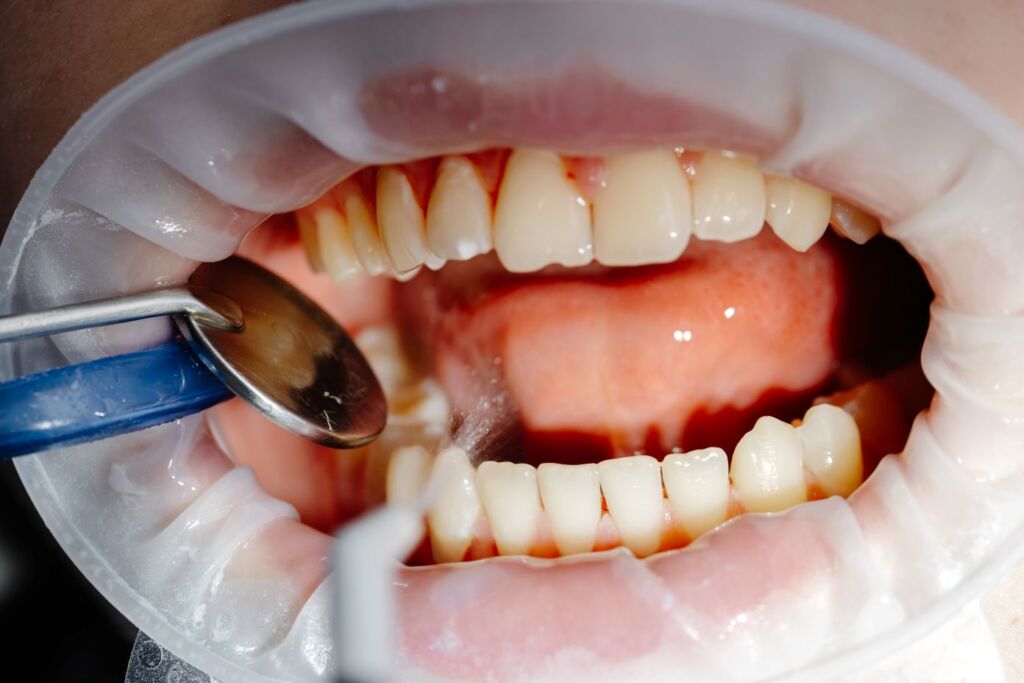

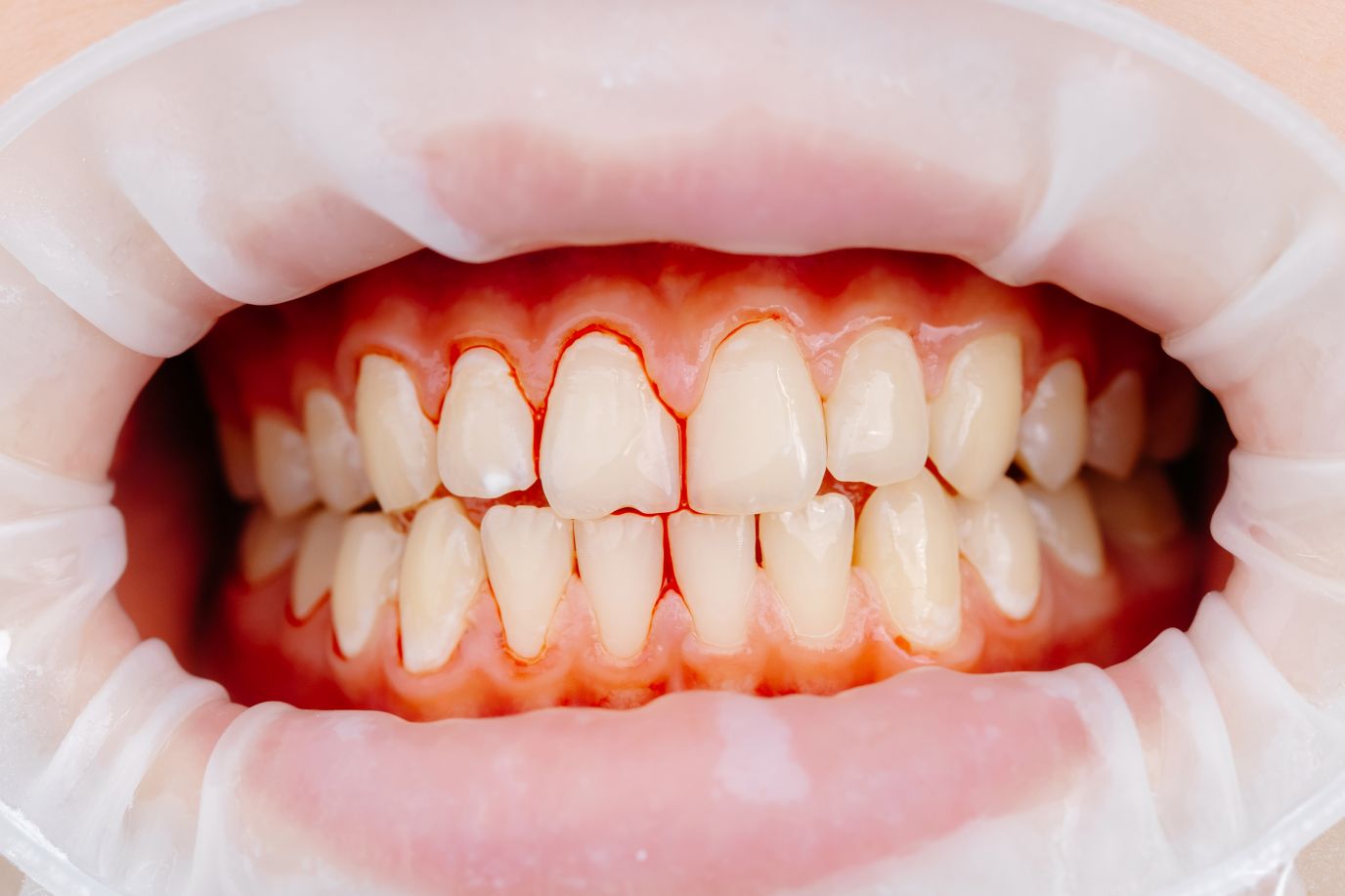

Bleeding gums
Bleeding while brushing or flossing is not something to normalize. It is one of the most common poor oral health signs and may point to gingivitis or more advanced gum inflammation.
Persistent bad breath
Persistent bad breath is often related to bacteria in the mouth, poor dental hygiene, gum disease, dry mouth, or cavities. When it keeps returning, it deserves attention rather than temporary masking.
Tooth sensitivity or pain
Sensitivity to cold, heat, or sweets, as well as ongoing tooth pain, can suggest decay, gum problems, worn enamel, or another dental issue that needs evaluation.
Swollen or receding gums
Swollen gums may reflect active irritation or inflammation. Receding gums can make teeth appear longer and may leave roots more exposed and sensitive.
Loose teeth or difficulty chewing
Teeth should feel stable. If teeth feel loose or chewing becomes uncomfortable, that can be a warning sign of progressing gum disease or structural damage. In more advanced cases where tooth loss occurs, dental implants may help replace missing teeth and improve chewing ability.
Mouth sores or dry mouth
A mouth that feels dry all the time is not just annoying. Dry mouth can lead to soreness, infections, ulcers, and tooth decay. Recurrent mouth sores or unexplained oral tissue changes should also be checked early.
Risks of Ignoring Oral Health Problems
When people ignore oral health problems, those problems can gradually affect comfort, function, and long-term health.
- Tooth decay can progress from a small problem to pain, infection, and tooth loss.
- Gum disease can spread deeper and damage the tissues that support the teeth.
- Oral pain and sensitivity can interfere with eating, speaking, and daily life.
- Poor oral health may increase the risk of broader health complications over time.
For this reason, recognizing early warning signs can make a real difference in protecting oral health.
Oral Health Warning Signs vs Healthy Signs
Some oral changes are easy to overlook at first. This simple comparison can help show the difference between signs of a healthy mouth and symptoms that may point to an underlying problem.
| Healthy signs | Warning signs |
|---|---|
| Firm, healthy gums | Bleeding or irritated gums |
| Fresh breath | Persistent bad breath |
| Strong teeth | Loose or sensitive teeth |
| Comfortable chewing | Pain while eating |
Recognizing these differences early can make it easier to protect oral health and seek care before problems become more serious.
How to Prevent Oral Health Problems
Daily oral hygiene habits
Daily care remains the foundation of oral health prevention:
- Brushing twice a day: Use fluoride toothpaste and brush thoroughly morning and night.
- Flossing or cleaning between teeth: Aim for once a day to remove plaque where a toothbrush cannot reach.
- Tongue cleaning: Gently brushing the tongue can help reduce bacteria that contribute to oral odor and keep the mouth feeling cleaner.

Diet and hydration
A balanced diet supports the mouth as much as the body. Limiting sweets and sugary drinks can reduce cavity risk, while adequate hydration helps the mouth stay more comfortable, especially for people dealing with dryness.
Regular dental check-ups and cleanings
Routine check-ups and professional cleaning matter because tartar cannot be removed at home once it hardens. Early dental visits also make it easier to detect gum disease and other oral problems before they become harder to treat.
Good prevention helps lower risk, but early treatment still plays a key role when problems begin to develop.
Recovery and Early Treatment Matter
Why early diagnosis makes treatment easier
Early diagnosis matters because mild gum inflammation can often be improved or reversed before deeper damage develops. Waiting until symptoms become severe usually means more time, more discomfort, and more complex treatment.
Common dental treatments that protect oral health
Treatment depends on the problem, but common options include professional cleaning, fluoride treatment for high cavity risk, fillings for decay, and periodontal treatment such as deep cleaning for gum disease. These treatments are not just reactive. They protect function, comfort, and long-term stability.
How preventive care reduces long-term risks
Preventive care lowers the chance that small issues turn into infection, tooth loss, chewing difficulty, or ongoing inflammation. It also supports the bigger goal behind this article: stronger oral health and overall health over time.

Good oral health is not only about keeping teeth clean. It is part of protecting comfort, function, and overall well-being. Small daily habits and early care can make a lasting difference.
FAQs
Restore oral health by brushing twice daily with fluoride toothpaste, cleaning between teeth daily, limiting sugar, and treating cavities or gum disease early with a dentist
Poor oral health is commonly caused by plaque buildup, infrequent brushing or flossing, high sugar intake, tobacco use, dry mouth, and skipped dental check-ups.
Yes. Brushing twice a day with fluoride toothpaste helps remove plaque, lower cavity risk, and reduce gum inflammation.
You cannot remove all oral bacteria, but you can control them by brushing twice daily, cleaning between teeth, cleaning your tongue, and staying hydrated.