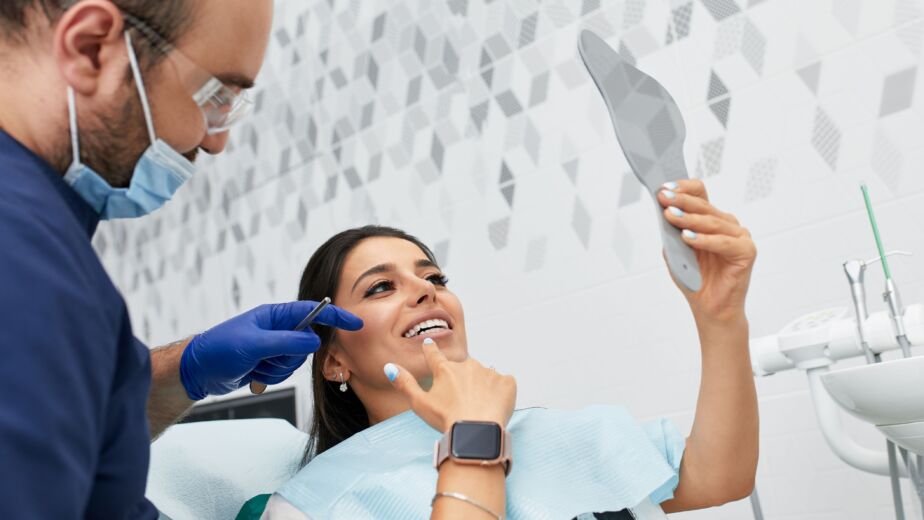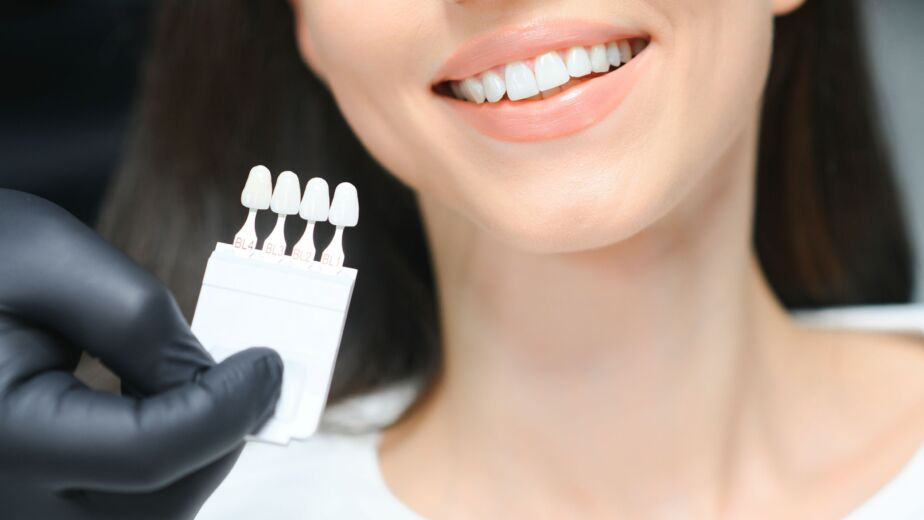
Orthodontic treatment is a dental treatment that helps move teeth and guide the bite into a better position. It is used for children, teens, and adults who have crooked teeth, spacing, or bite problems. Beyond appearance, it can also improve comfort, cleaning, speech, and chewing. Understanding how it works makes it easier to know when treatment may help and what the full process usually involves.
Quick Answer: What Is Orthodontic Treatment?
Orthodontic treatment is a type of dental care that straightens teeth, corrects bite problems, and improves how the teeth and jaws work together. It may include braces, clear aligners, expanders, functional appliances, and retainers. The exact treatment depends on the patient’s age, dental condition, and treatment goals.
Why Orthodontic Treatment Matters
Orthodontic treatment matters because it supports both oral health and daily function, not just a nicer smile.
Main Goals of Treatment
Orthodontic treatment can help improve several important aspects of the teeth, bite, and smile, including:
- Improve tooth alignment
- Correct bite issues
- Support better oral function
- Enhance smile appearance
Common Reasons Treatment Is Needed
There are several common reasons why orthodontic treatment may be recommended, including:
- Crowding that causes the teeth to overlap or sit too close together
- Spacing issues that leave noticeable gaps between the teeth
- Bite problems that affect how the upper and lower teeth come together
- Difficulty cleaning certain areas properly because of tooth position
- Speech or chewing problems related to misalignment or bite imbalance
Problems It Can Correct
Orthodontic care can address a wide range of tooth and bite concerns, from simple spacing to more complex bite problems.
Crooked or Crowded Teeth
Crooked or crowded teeth can affect appearance and make brushing and flossing harder. Over time, this may increase the risk of plaque buildup and gum problems.
Gaps Between Teeth
Gaps between teeth may affect smile appearance and, in some cases, bite balance. They can also allow teeth to shift more over time if not managed properly.
Overbite, Underbite, Crossbite, and Open Bite
These bite issues affect how the upper and lower teeth fit together. They can lead to uneven wear, jaw strain, chewing difficulty, or speech problems in some patients.
That is why understanding the treatment options is the next important step.
Start a Conversation
Contact us through the communication method that suits you





Types of Orthodontic Treatments
There are several types of orthodontic treatments, and each one fits different needs and case levels.
Braces
Braces come in different forms, with each type offering specific advantages depending on the patient’s needs and preferences.
Metal Braces
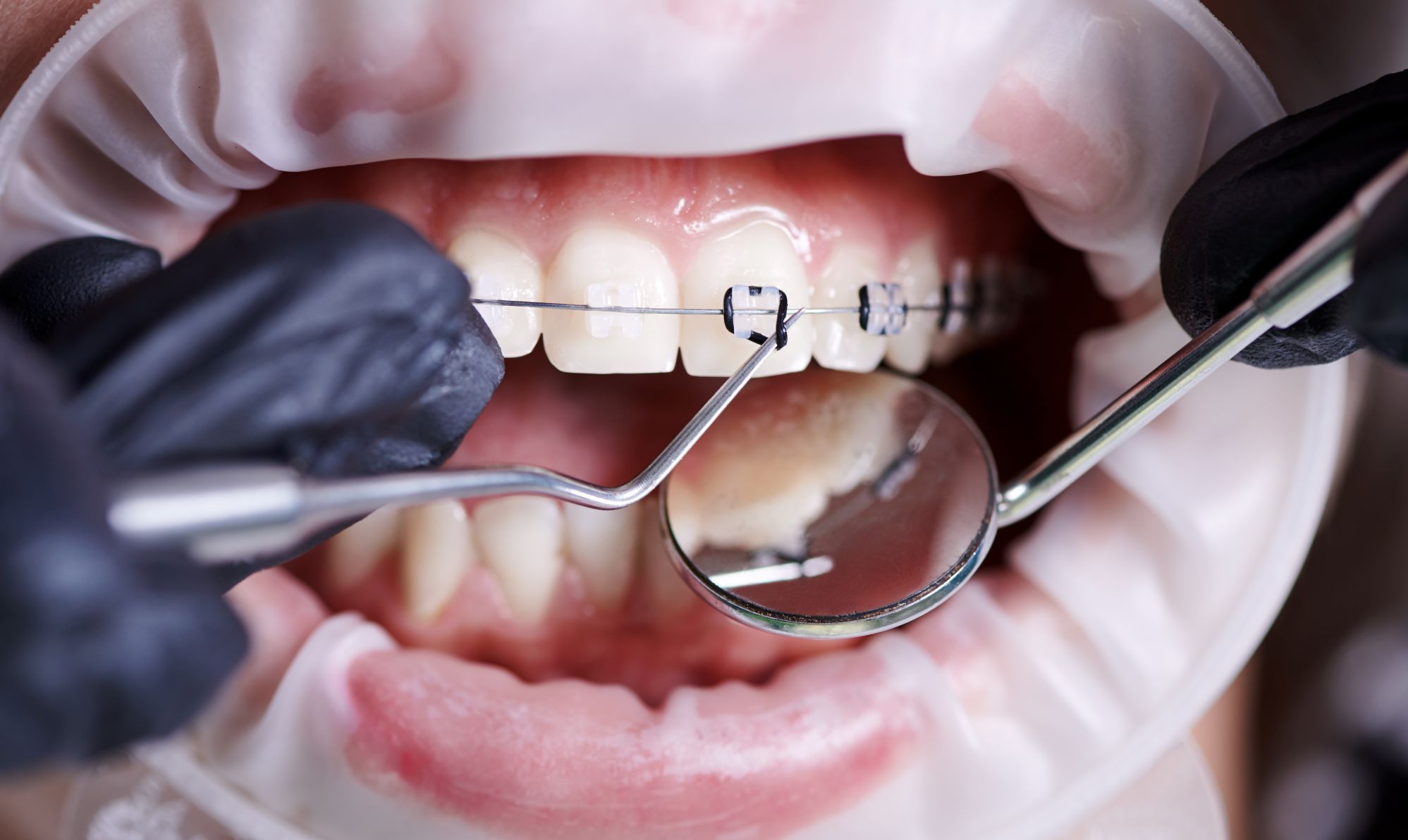
Metal braces use brackets and wires to guide tooth movement over time. They are strong, reliable, and often recommended for mild, moderate, or complex cases.
Ceramic Braces
Ceramic braces work like metal braces but use tooth-colored or clear materials. They are less noticeable, which makes them attractive for patients who want a more discreet look.
Invisible Aligners
Many patients choose invisible aligners for their clear appearance, flexible design, and effectiveness in mild to moderate cases.
Other Appliances
Some patients need additional appliances as part of their treatment plan.
Palatal Expanders
Palatal expanders help widen the upper jaw when it is too narrow. They are often used in growing children to improve space and bite development.
Functional Appliances
Functional appliances help guide jaw growth and improve jaw relationships. They are usually used in younger patients when growth can still be influenced.
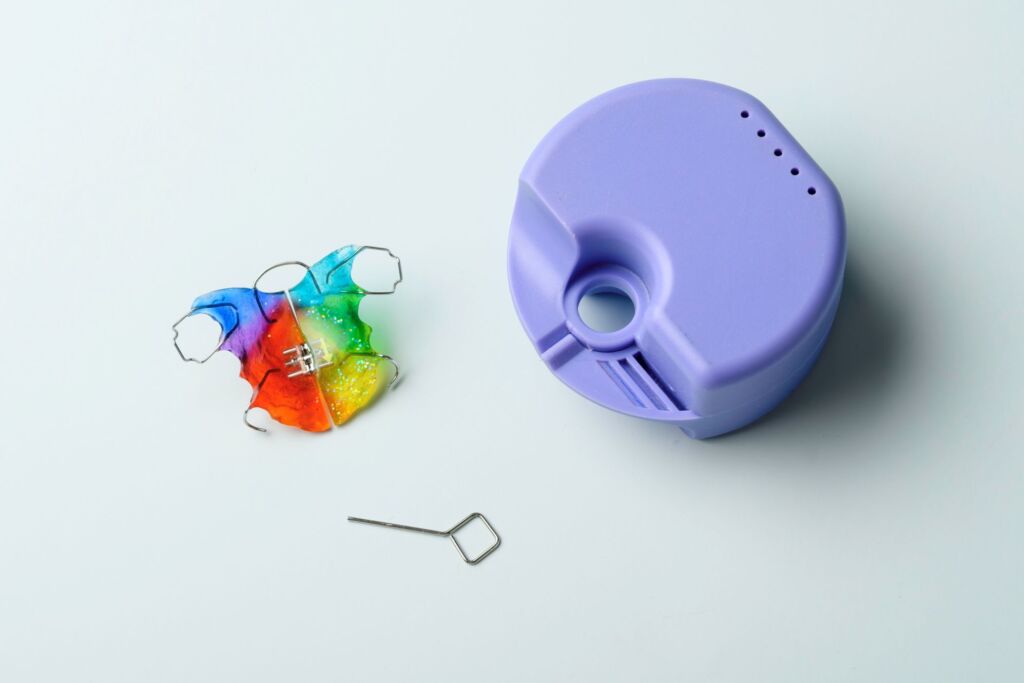
Retainers
Retainers help keep teeth in their new positions after active treatment ends. They are essential for maintaining the final result and reducing the chance of relapse.
Orthodontic Treatment Comparison
The following table highlights the main orthodontic treatment options and the situations they usually help address.
| Treatment Option | Common Use | Main Advantage |
|---|---|---|
| Metal Braces | Mild to complex cases | Strong and precise tooth movement |
| Ceramic Braces | Mild to moderate cases | Less noticeable than metal braces |
| Invisible Aligners | Mild to moderate cases | Clear and removable design |
| Palatal Expanders | Narrow upper jaw or space issues | Helps create more space in growing patients |
| Functional Appliances | Jaw growth concerns | Guides jaw development in children |
| Retainers | After active treatment | Helps maintain the final results |
Once the options are clear, it becomes easier to understand what full treatment may actually include.
What Comprehensive Orthodontic Treatment Includes
Comprehensive treatment focuses on improving tooth alignment, bite function, and long-term stability.
Core Treatment Goals
Its main goals are full alignment correction, bite improvement, and long-term stability. This means the orthodontist is not only trying to make the teeth look straight, but also making sure the result works well and lasts.
Who May Need It
Patients with multiple issues, such as crowding plus bite problems, may need comprehensive treatment. It is common in cases where both tooth position and jaw relationship need attention.
Comprehensive vs Limited Treatment
Comprehensive treatment addresses the full orthodontic problem. Limited treatment focuses on a smaller issue, such as moving a few teeth or correcting a single concern. The right choice depends on the condition and the patient’s goals.
The next question is often about timing, because age can influence treatment choices.
When to Start Orthodontic Treatment
Orthodontic treatment can begin at different ages depending on the problem being treated.
Children and Early Evaluation
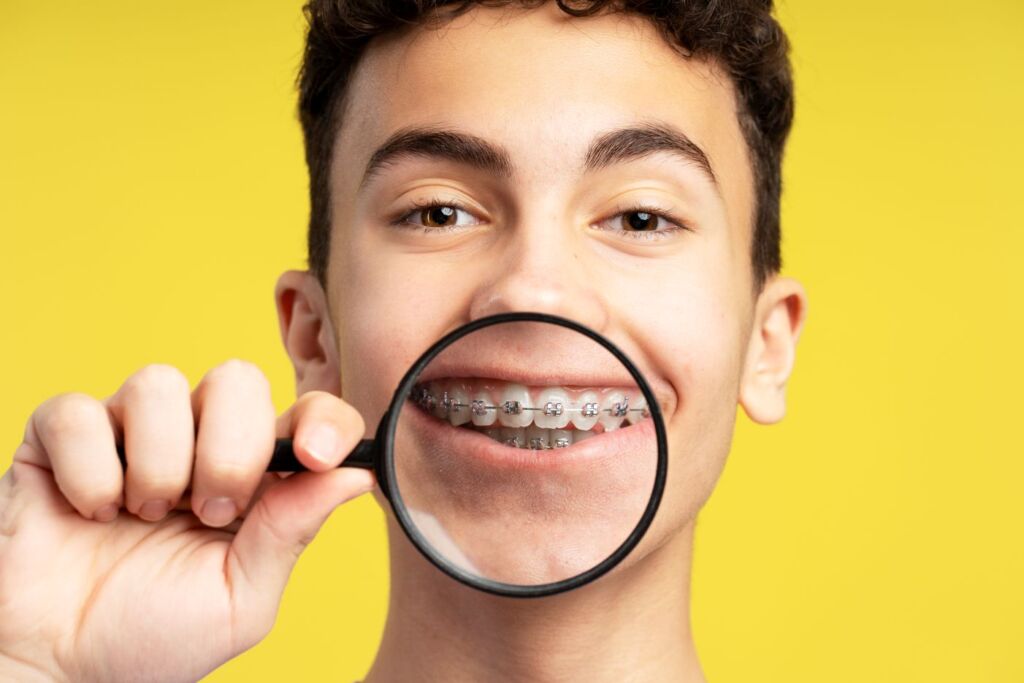
Children benefit from early evaluation because some problems are easier to guide while the jaws are still developing.
When Early Treatment Is Recommended
Early treatment may be recommended when there is a developing bite problem, jaw imbalance, or lack of space that may worsen over time. Not every child needs early treatment, but some do benefit from it.
Signs a Child May Need an Orthodontic Check
Common signs include early or late loss of baby teeth, mouth breathing, difficulty biting, visible crowding, or jaws that seem uneven. A professional check can help decide whether monitoring or treatment is needed.
Treatment During the Teen Years
The teen years are a common time for orthodontic care because most permanent teeth have erupted by then. Growth is still active, which can help with certain corrections.
Treatment for Adults
Adults can also benefit from orthodontic treatment, whether to improve function, oral health, or smile appearance. Although treatment may require careful planning in some cases, age alone does not prevent it.
For younger patients especially, early treatment deserves a closer look.
Start a Conversation
Contact us through the communication method that suits you
Early Orthodontic Treatment: Benefits and Timing
For some children, early orthodontic treatment can reduce the risk of bigger problems later.
Problems It May Prevent
It may help prevent severe crowding, worsening bite issues, jaw development problems, and more complex treatment later. In selected cases, acting early can make future treatment simpler and more efficient.
Cases That Benefit Most
Some orthodontic problems respond especially well to treatment during growth.
Crossbite
Crossbite may affect how the jaws grow and how the teeth wear down. Early correction can improve balance and function.
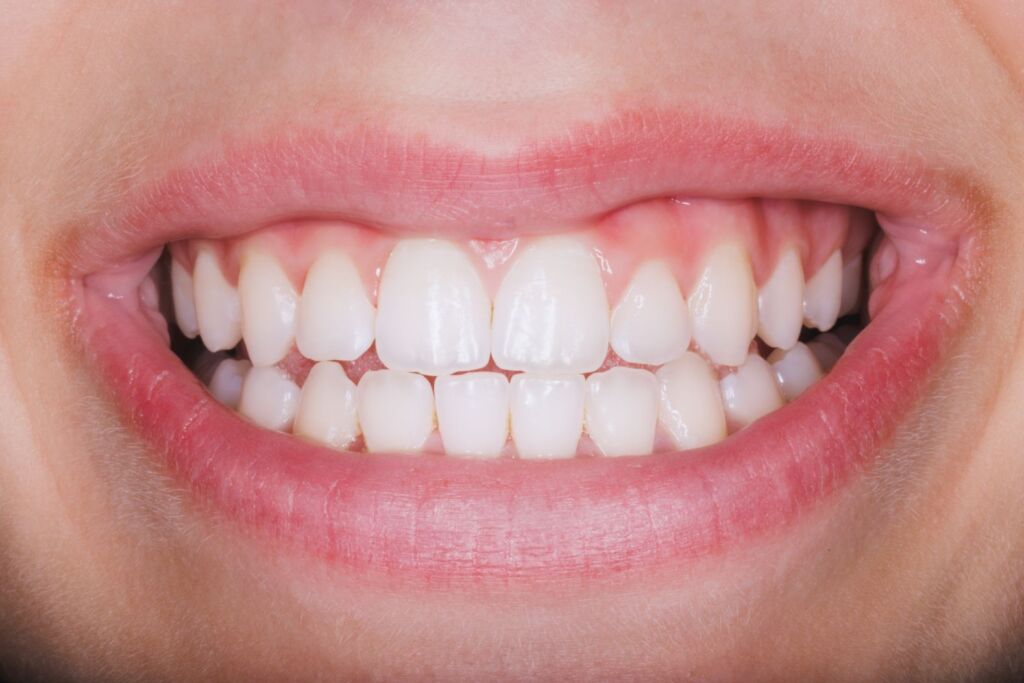
Severe Protrusion
Severely protruding front teeth may be more likely to get injured. Early care can sometimes improve protection and appearance.
Space Problems
When there is not enough space for incoming teeth, early treatment may help guide development and reduce later crowding.
Jaw Growth Concerns
If one jaw seems too far forward or too far back, growth-based treatment may help guide development while the child is still growing.
After timing, the most practical topic is the step-by-step treatment process itself.
The Orthodontic Treatment Process
The orthodontic process usually follows a clear path from diagnosis to retention.
Initial Assessment
The first visit usually includes an exam, scans or X-rays, and a bite evaluation. This helps the orthodontist understand the tooth positions, jaw relationship, and overall treatment needs.
Treatment Planning
The treatment plan includes appliance selection, a timeline estimate, and clear treatment goals. At this stage, the orthodontist decides whether braces, aligners, or other appliances are the best choice.
Active Treatment Phase
This is the stage where treatment begins moving the teeth into better positions.
Wearing Braces or Aligners
Patients wear braces continuously or use aligners as directed. Good cooperation is especially important with aligners because they must be worn regularly to work well.
Progress Check Visits
Regular visits allow the orthodontist to monitor progress and make adjustments. These appointments help keep treatment moving in the right direction.
Oral Hygiene and Home Care
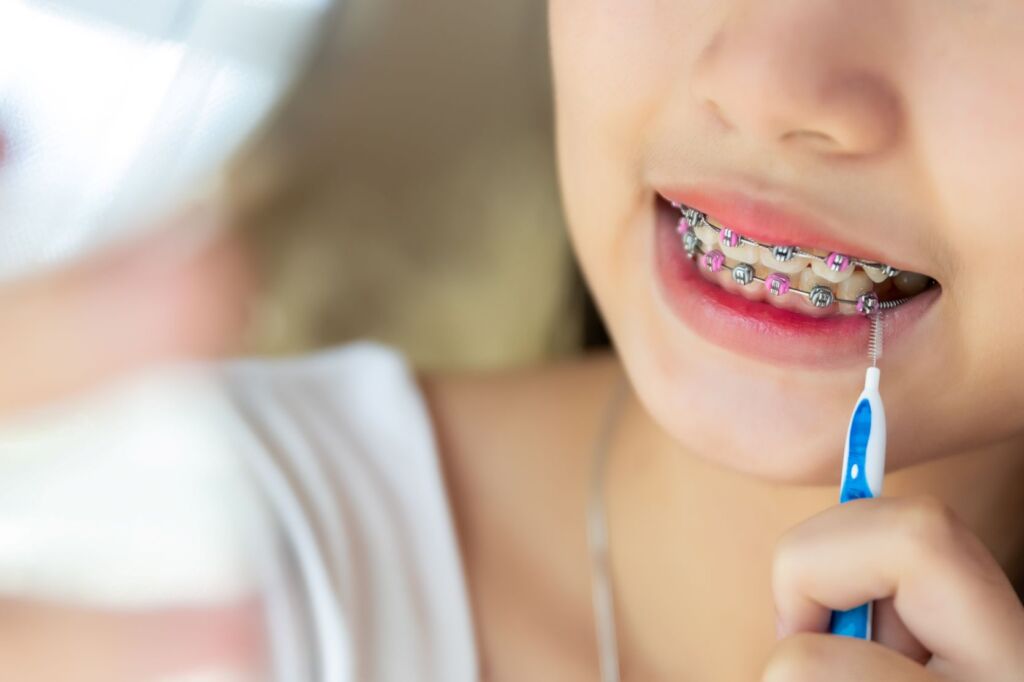
Care at home is very important during treatment. Teeth and appliances must be cleaned well to avoid plaque buildup, stains, or gum irritation.
Retention Phase
After active treatment, retainers are used for relapse prevention and result maintenance. Without retention, teeth may shift back over time, even after a good result.
Orthodontic treatment can also offer benefits that last beyond treatment itself.
Benefits Beyond Appearance
Orthodontic treatment can improve health, function, and confidence in ways that last.
Better Oral Health
Straighter teeth are often easier to clean, which can support healthier gums and better plaque control. This may reduce oral health risks over time.
Improved Bite and Function
A better bite can improve chewing, comfort, and tooth contact. It may also reduce uneven pressure on certain teeth.
Better Long-Term Stability
When treatment is planned well and followed by good retention, the result can stay more stable over time. Stability is one of the most important long-term goals.
More Confidence in Your Smile
Many patients feel more confident after treatment because their smile looks more balanced and natural. This can positively affect social and professional situations.
All of these benefits lead to one final point about the value of treatment as a whole.
Final Perspective
Orthodontic treatment is about more than aesthetics. The best treatment always depends on the case, the right timing can matter, and retention is essential after active treatment ends. Whether the goal is better alignment, improved bite function, or a more confident smile, successful orthodontic care is built on proper planning and consistent follow-through.
Which treatment are you interested in?
FAQs
Orthodontic treatment helps straighten teeth and improve bite alignment.
Orthodontic treatment can help correct crowding, spacing, bite issues, and related function problems.
Braces, clear aligners, expanders, functional appliances, and retainers are all orthodontic treatments.
Braces are still the most common orthodontic treatment, especially for more complex cases.
It is not usually painful, but mild soreness or pressure is common during treatment.