Plastic surgery is no longer a “fly in, fly out” trend. In 2026, plastic surgery in Turkey has become a structured medical journey where safety, planning, and long-term results matter as much as aesthetics, especially for patients traveling to Istanbul. With big differences in price and clinic standards, choosing the right surgeon, facility, and follow-up plan is essential.
This guide explains why Turkey is a leading destination, the most popular procedures, how safety and accreditation work, what affects total cost, and how to choose a clinic with confidence, plus practical FAQs.
Why Turkey Is a Leading Plastic Surgery Destination
Turkey is a leading medical tourism hub thanks to strong healthcare infrastructure, high capacity, and clear regulations, with large numbers of international patients each year.
Istanbul, in particular, is built for international travel. Its location between Europe and the Middle East, plus strong flight connectivity, makes it easier for patients to travel for consultations, surgery, and follow-ups.
From a medical capacity view, Türkiye also has a sizable number of trained plastic surgeons. ISAPS reported an estimated 1,200 plastic surgeons in Türkiye, placing it among the top countries by surgeon count, which usually correlates with experience volume in common procedures. [1]
International Patient Services
For many international patients, the “service layer” matters as much as the surgery. In Istanbul, it is common to find clinics and hospitals that offer:
- Coordinators who speak English, Arabic, or other European languages
- Airport pickup and planned hospital transfers
- Pre-op labs, imaging, and specialist consults arranged in a tight schedule
- Written treatment plans and post-op instructions designed for travel patients
This matters because medical travel is not only about the operating room. It is also about communication, safe logistics, and aftercare when you return home.
Most Popular Plastic Surgery Procedures
Patients travel for many reasons, but the most common demand is for procedures where surgeon experience, planning, and predictable recovery timelines matter most.
Facial surgery and profile refinement
Nose surgery remains one of the most requested procedures for travel patients. If your main goal is facial harmony, you can read more about options and planning in rhinoplasty in Turkey.
Jawline definition is also popular, especially for patients who want a sharper profile without major surgery. A focused option is chin liposuction in Turkey, which targets localized fat under the chin when skin quality is suitable.
For patients who want volume restoration instead of tighter skin only, fat grafting can be part of a natural-looking plan. Here is a helpful overview of fat transfer to the face in Turkey and what to consider.
Body contouring after weight change
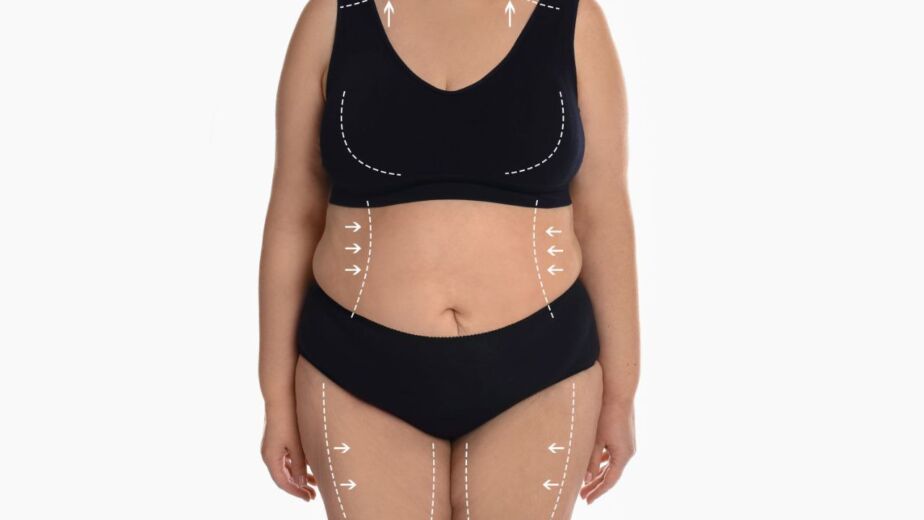
Body contouring is often requested after weight loss, childbirth, or natural body changes. If your main concern is abdominal skin and muscle laxity, explore tummy tuck in Turkey, including recovery planning for travel patients.
For shaping the waist, hips, and targeted areas, suction-based contouring is common, but technique and safety planning are key. This guide on liposuction in Turkey explains where it fits and what questions to ask.
Breast surgery
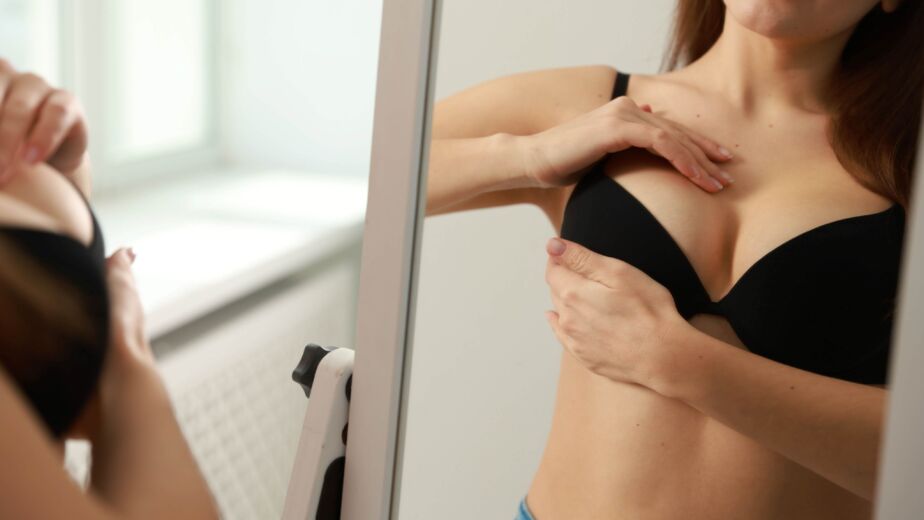
Breast procedures are frequently chosen because outcomes depend heavily on surgeon planning, implant selection (when used), and careful follow-up. If you are researching sizing, implant types, or candidacy, see breast augmentation in Turkey.
Which treatment are you interested in?
Safety Standards and Clinic Accreditation
Safety should be your first filter, before price or hotel rating.
Start with the basics: choose a properly trained plastic surgeon and make sure your procedure is done in a licensed, well-equipped medical facility that follows clear safety protocols.
Accreditation and verifiable standards
International accreditation, such as JCI, can add reassurance if you are unfamiliar with the local system, especially when the clinic is transparent about its medical policies. [2]
Just as important is consistent safety practice, including structured pre-op checks and operating room protocols like the Surgical Safety Checklist, which can help reduce complications.
Start a Conversation
Contact us through the communication method that suits you





A realistic safety note about surgery abroad
Medical travel can be safe, but risks exist, so follow-up planning and clear documentation are essential.
What this means in practice:
- Do not compress your timeline too much
- Get written operative notes and discharge summaries
- Know who will manage complications after you return, if needed
Plastic Surgery Costs in Turkey
Costs vary widely by surgeon, hospital setting, anesthesia type, your health status, and whether you combine procedures. One reason patients choose Turkey is value, but value is not the same as “cheapest.”
Request pricing
By sending, you agree we may contact you on WhatsApp with pricing.
Got it! We’ll WhatsApp you the pricing shortly.
What to budget for (beyond the surgery fee)
When comparing offers, ask for a written quote that separates:
- Surgeon fee, anesthesia, hospital or operating room costs
- Pre-op tests (blood work, ECG, imaging if needed)
- Medications and compression garments
- Hotel nights, transfers, translator services
- Follow-up appointments and revision policy terms
If you are researching gluteal contouring specifically, this BBL cost breakdown can help you understand what typically changes the final quote.
How to Choose the Right Plastic Surgery Clinic
Choosing a clinic is a medical decision, not only a travel decision. Use a checklist and confirm details in writing.

Surgeon Qualifications
Look for:
- Plastic surgery specialty training and clear professional registration
- Experience in your exact procedure type (primary vs revision matters)
- A consultation that discusses risks, alternatives, and realistic outcomes
A practical tip: ask who will manage your anesthesia and confirm that a qualified anesthesiologist will be present during the procedure.
Hospital Facilities
Your setting matters. A safe setup usually includes:
- A licensed hospital or accredited surgical facility
- Proper sterilization protocols and infection control
- Emergency equipment and transfer pathways if a higher level of care is needed
- Clear discharge criteria, not rushed “same-day” decisions when it is not appropriate
If you are offered surgery in a setting that feels unclear, ask directly about licensing, accreditation, and who is responsible for postoperative monitoring.
FAQs
Most patients stay 5–10 days, and longer for combined or complex procedures.
Yes, if you choose a qualified surgeon, a proper facility, and clear safety protocols with aftercare.
Sometimes, but it increases anesthesia time and recovery, so eligibility must be medically assessed.
Take your operative report, implant details (if any), prescriptions, aftercare plan, and follow-up notes.
Many do, but do not assume. Confirm language support and emergency communication before you arrive.
High-pressure payments, unclear facility info, no written plan, or “risk-free” promises.
Final Thoughts
Istanbul attracts many international patients thanks to experienced surgical teams and easy travel access. But your results depend on good planning: a qualified surgeon, a safe facility, clear documentation, and enough recovery time.
If you are considering combined procedures after major body changes, start by reviewing what a mommy makeover in Turkey includes, then confirm what is medically suitable during consultation.
Start a Conversation
Contact us through the communication method that suits you