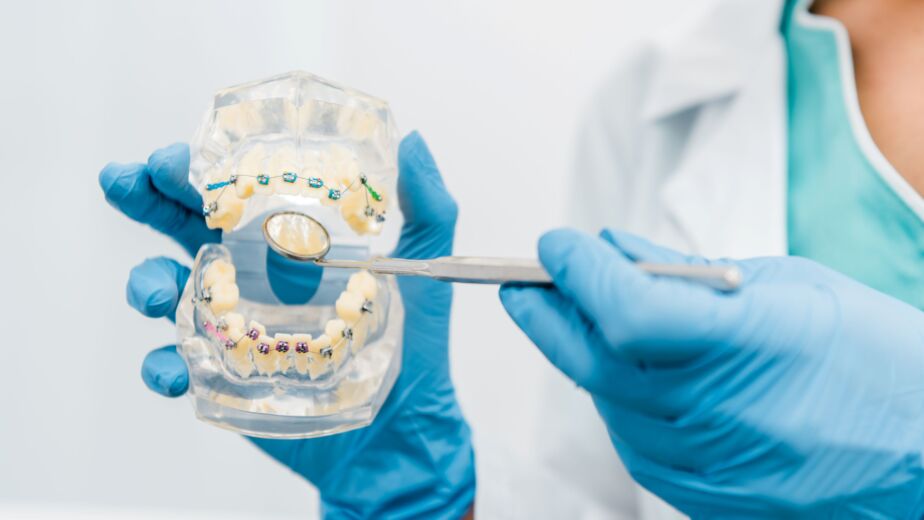
If you are researching dental implants without bone graft in Turkey, the short answer is: sometimes, yes. Whether you can skip bone grafting for dental implants depends on how much bone you have (height and width), where the implant will go, and your overall health.
Many patients want to avoid grafting because it can add time, cost, and an extra procedure. The good news is that modern implant planning and newer techniques can often work with the bone you already have. A 3D scan (CBCT) is usually the key tool for deciding what is realistic and safe, and our dental implants in Turkey guide explains the typical steps, timeline, and follow-up.
Medical disclaimer: This article is for general education and does not replace an in-person dental exam. Your dentist or oral surgeon should confirm the best plan for your situation.
Why Bone Grafting Is Sometimes Needed?
Dental implants need a solid foundation. When teeth are missing, the jawbone can shrink over time, and the amount of bone can be different from one area to another. In the upper back jaw, the maxillary sinus can also limit available bone height.
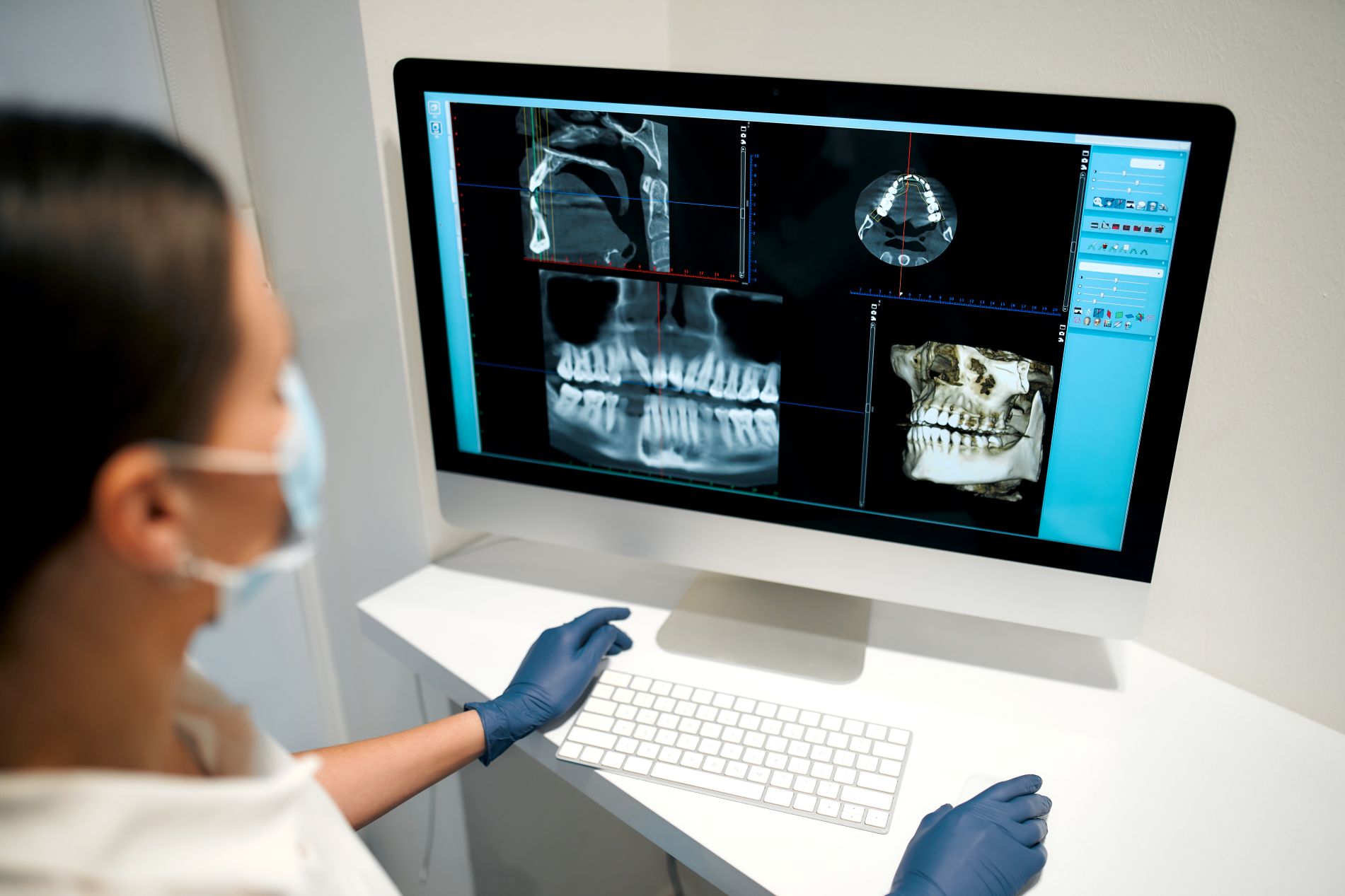
Bone grafting is used when there is not enough bone to place an implant in the ideal position and with enough stability. Dentists usually evaluate bone volume and nearby structures (like the sinus and nerves) using 3D imaging such as CBCT, especially in more complex cases.[1]
Alternatives to Bone Grafting
If bone volume is reduced, you may still have options that avoid a traditional graft. The best choice depends on your anatomy, how many teeth you are replacing, and your bite forces.
Short Implants

Short implants are designed for situations with limited bone height, especially in the back of the upper jaw where a sinus lift might otherwise be considered. Evidence from systematic reviews and meta-analyses suggests short implants can have comparable survival to longer implants placed with sinus floor elevation in selected cases. [2]
Short implants work best when there is enough bone width, and your dentist can achieve strong primary stability.
Zygomatic Implants
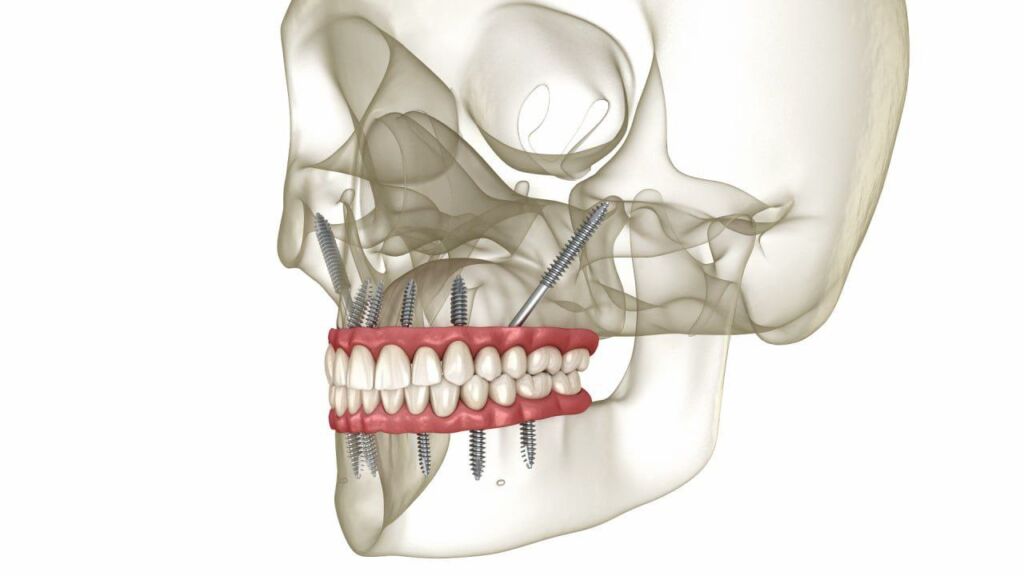
Zygomatic implants are a specialized option for severe bone loss in the upper jaw. Instead of anchoring only in the maxilla, these longer implants engage the cheekbone (zygoma), which can help avoid extensive grafting.
This technique is advanced and anatomy-sensitive. A systematic review and meta-analysis found high long-term survival for zygomatic implants, and also discusses complications that require careful follow-up (including sinus-related issues). [3]
All-on-4 Technique
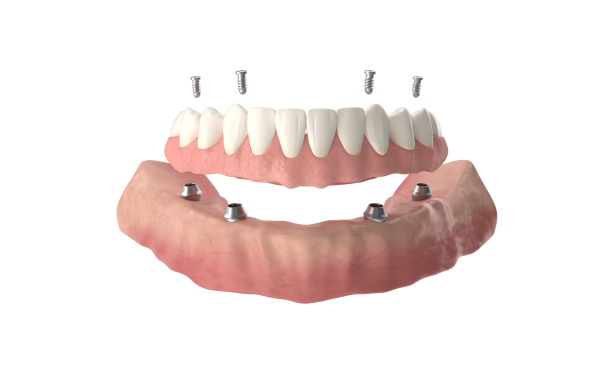
All-on-4 is a full-arch approach that dentists often use when patients are missing many teeth and have limited bone in the back of the jaw. The two back implants tilt forward so they can anchor in stronger bone, which may reduce the need for grafting in selected cases.
Clinical studies and reviews describe All-on-4 style immediate-function full-arch treatments as a viable option with high survival rates, but outcomes depend on careful planning and stability at placement. [4]
Who Can Avoid Bone Grafting?
You are more likely to qualify for dental implants without a bone graft if you have:
- Mild to moderate bone loss, not severe atrophy.
- Enough bone width for an implant of appropriate diameter.
- Gum disease that is treated and stable.
Our doctors’ tip:
Smoking and poorly controlled diabetes can increase implant risk. You may still qualify, but our team may recommend extra precautions or a staged plan to improve predictability.
Cost Comparison with and Without Bone Grafting
Exact prices vary by clinic, materials, and case complexity. In general, grafting can increase costs because it adds a procedure, materials (graft, membranes), follow-ups, and often extra healing time.
Dental Implant Cost in Turkey (USD):
- Dental implants without bone graft (implant + abutment + crown): $400 to $1,300
- Dental implants with bone graft: about $550 to $1,800 (grafting adds $150 to $500).
Request pricing
By sending, you agree we may contact you on WhatsApp with pricing.
Got it! We’ll WhatsApp you the pricing shortly.
These ranges follow our dental implant cost in Turkey guide, which explains what is included in the total and which add-ons may apply.
To make the difference clearer beyond pricing, here is how grafting usually changes the treatment experience:
| Factor | Without bone graft | With bone graft |
|---|---|---|
| Number of surgeries | Often fewer | Often more |
| Total treatment time | Often shorter | Often longer due to healing |
| Travel logistics (for international patients) | Sometimes one trip | Often staged planning |
A simple way to explain it: grafting can be worth it when it enables ideal implant positioning, but when a graft-free alternative is appropriate, it can reduce both time and complexity.
Success Rates in Turkey
Success depends more on diagnosis, planning, surgical skill, implant quality, and long-term maintenance than on where the treatment happens.
Overall, dental implants have high long-term survival in the scientific literature. A 10-year systematic review estimated implant survival around 96%. [5]
For graft-free options:
- Short implants can perform comparably to longer implants combined with sinus augmentation in selected cases.
- Zygomatic implants can achieve high long-term survival, but the technique is more complex and requires advanced experience.
- All-on-4 style full-arch treatments can be predictable when planned well.
What to look for when choosing a clinic in Turkey (local or international patients):
- CBCT-based planning and a clear written treatment plan.
- A discussion of alternatives, including why grafting is or is not recommended.
- A realistic follow-up plan, especially if you will travel home soon after treatment.
FAQs
There is no single “maximum” time. In many staged sinus graft cases, implants are placed around 6 months after grafting once healing is confirmed. If delayed, your clinician will re-check the site before proceeding.
No. Some patients do not have enough bone for a safe implant position, especially if the bone is thin and bite forces are high. CBCT-based assessment is the safest way to decide.
You can’t speed up bone biology, but you can support healing: avoid smoking, keep conditions like diabetes controlled, and follow post-op instructions and follow-ups.
Not necessarily. Success can be excellent with stable, well-planned placement; the key is using the right approach for your anatomy.
If you’ve been missing the tooth for a long time or your bone is too thin/low (often near the sinus in the upper back jaw), you may need grafting. A CBCT scan can confirm this.
Key takeaways
- A CBCT scan confirms whether you can skip grafting safely.
- Short implants, zygomatic implants, and All-on-4 can reduce grafting in selected cases.
- Smoking and uncontrolled diabetes can increase risk and may require extra precautions.
- Costs vary: $400–$1,300 without grafting, about $550–$1,800 with grafting.
- Long-term success depends on planning, skill, quality, and maintenance.
Final thoughts
Dental implants without bone graft in Turkey are possible for many patients, but only after careful evaluation. Start with a CBCT scan and an honest conversation about options. If a graft-free approach fits your anatomy, it can save time and reduce complexity. If grafting is recommended, it is usually because it improves long-term predictability.
Ready to find out which option fits your case?
Send us your recent CBCT (or panoramic X-ray) and a short note about your goals, and our dental team will review your case and share a clear treatment plan with estimated costs and timeline.
Start a Conversation
Contact us through the communication method that suits you





References
- AAOMR: Dental Implant Imaging (Position Paper) .
- BMJ Open: Short vs long implants (systematic review) .
- International Journal of Implant Dentistry: Zygomatic implant outcomes (systematic review) .
- The Journal of Prosthetic Dentistry: All-on-4 implant survival and marginal bone loss (retrospective study) .
- University of Liverpool Repository: 10-year dental implant survival (systematic review) .