Losing a single tooth can change a smile, and it often triggers the first question: could dental implants in Turkey be the right solution. When the gap is visible, many people start to hide their teeth, and confidence can take a hit.
It’s not only about appearance. Leaving a space for too long can shift nearby teeth, affect the bite, and make chewing less comfortable. That’s why dental implants are a popular long term option, and it helps to know what the process really includes. It isn’t just “an implant”, it’s a complete treatment plan, from evaluation and scans to the implant system and restoration, the surgeon’s expertise, and any supportive procedures you genuinely need.
Why Turkey Works for Dental Implants
High Quality with Clear Value
Overall, dental implants in Turkey can offer strong value compared with many other destinations, while still giving you access to globally known implant systems and high-quality restorations. That gives patients more room to choose a balanced plan, guided by clinical needs rather than pressure.
Modern Tech for Higher Precision
First, many clinics use CBCT imaging; then they move to digital planning and, when appropriate, guided-surgery stents. Additionally, in-house CAD/CAM labs can produce zirconia or E.max crowns. As a result, precision improves and treatment feels more predictable.
Travel-Friendly Care
Clinics that routinely see international cases run on clear, time-efficient workflows, from remote consults to logistics, making it easy to organize care over two main visits (implant placement, then restoration after osseointegration), with digital check-ins as needed. That keeps the journey manageable if you’re flying in.
Our Team’s Clinical Take
“Choosing the clinic matters more than price alone. Look for a clear plan, a CBCT in your file, and an implant system that’s serviceable long term. Front-loaded transparency saves time.”
Implant Options at a Glance
Implant therapy isn’t one-size-fits-all. First, your dentist assesses bone volume and gum health, then selects the approach that fits your case and goals (function, aesthetics, or both). In brief:
Endosteal implant (most common):
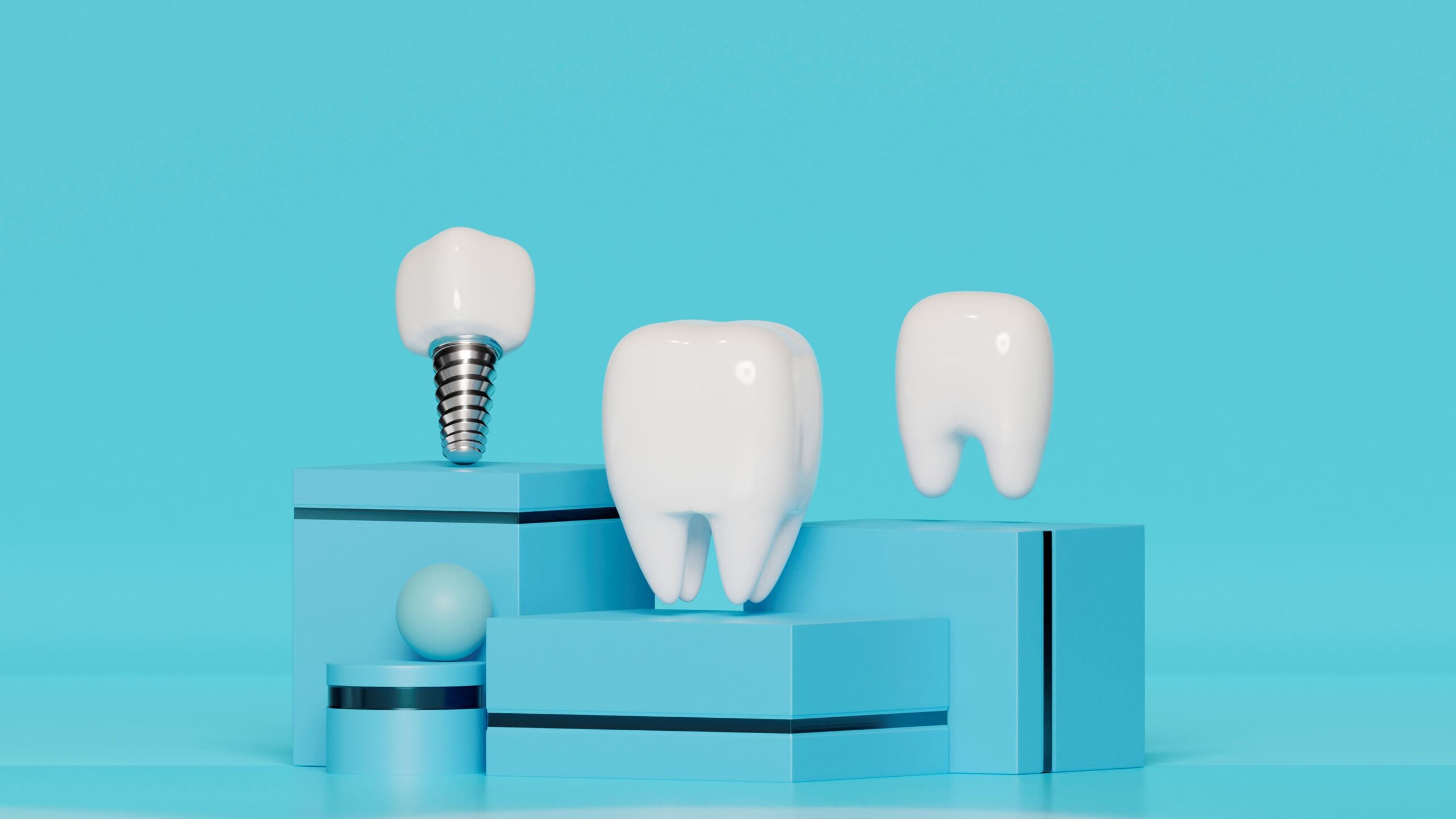
A titanium screw acts as an artificial root in the jawbone, then an abutment and final crown sit on top.
Immediate implant placement:
The implant is placed right after extraction. In selected cases with strong primary stability, a temporary tooth may be possible on the same visit.
Digitally guided surgery (stent-guided):
We use 3D CBCT planning to design a surgical guide that improves positioning and angulation, boosts accuracy, and often reduces chair time.
Full-arch options (All-on-4 / All-on-6):
A fixed prosthesis for a full arch anchored to 4 or 6 implants, distributing forces and, in many cases, reducing the need for extensive grafting.
Dental Implant Cost in Turkey
Single Tooth Implant
A single implant case is usually priced as a complete plan. Straightforward cases are often quoted from around $400–$450 with widely used systems, while premium brands can be higher.
Full-Arch Solutions
Full-arch treatment is priced per arch and varies by materials and complexity. As a broad reference, All-on-4 is often $4,000–$7,500 per arch, and All-on-6 is typically higher.
For the full price breakdown, read: Dental Implants Cost in Turkey.
Quick reminder: Some offers list “the implant” only. For apples-to-apples comparisons, ask for a quote that clearly includes the implant + abutment + final crown, along with warranty and follow-up.
Request pricing
By sending, you agree we may contact you on WhatsApp with pricing.
Got it! We’ll WhatsApp you the pricing shortly.
Dental Implant Cost: Compare Quotes Quickly
- Ask exactly what’s included: implant + abutment + final crown? Imaging and medications?
- Name the system and crown material: e.g., Straumann/Osstem; zirconia/E.max/PFM.
- Lock the timeline, visit count, and warranty: when do you get the provisional and final? How many visits? Warranty conditions?
Our Clinical Perspective
The best quote explains the plan from A to Z: CBCT, whether grafting is required, the implant system, what your fee covers (implant + abutment + crown), and the follow-up schedule. Transparency avoids later surprises.
Your Implant Journey: Steps & Timeline
Your implant journey follows clear steps, but the timeline and number of visits depend on your case and treatment plan. Here’s the big picture:
Consultation & planning
First, we start with an exam, a medical history review, and dental imaging. Then, if needed, we request a CBCT to map position and angulation more precisely.
Extraction (If Needed) & Implant Placement
This is usually done under local anesthesia. Placement can be immediate or after healing, often with one main surgical visit and brief follow-ups. A front-tooth temporary may be possible when stability allows.
Early healing & review
Gums usually settle within 1 – 2 weeks. We’ll typically see you at 7 – 14 days to check the site and remove any non-resorbable stitches, a quick but important visit.
Osseointegration
The implant integrates with bone in 2 – 6 months. Overall, expect ~3 – 9 months from consult to final crown. In some plans, a provisional crown is used early on, with the definitive crown fitted once stability is confirmed.
Abutment & final crown
Once the implant is stable, we fit the abutment and take records for your crown or bridge. Then, at delivery, we adjust the bite for comfort and provide clear care and maintenance guidance.
Visits You’ll Need: Timeline
Before You Travel: What to Prepare
Planning dental implants in Turkey is easier when a few basics are clear before you fly. Share any recent panoramic X-ray you have, plus your medical history and medications, so your dentist can plan safely. Ask for a written treatment plan that outlines the steps and visit timeline, and mention early if you smoke, take blood thinners, or manage diabetes.
To keep things smooth:
- Confirm the number of visits and the spacing between them.
- Check what’s included (imaging, follow-ups, aftercare guidance).
- Keep one flexible day for a quick check-up or minor adjustment.
After Surgery: Recovery & Care
In the first few days, mild discomfort, swelling, and sometimes bruising around the site are common. Symptoms often peak around 48 – 72 hours, then gradually ease.
To Feel Better:
- Use intermittent cold packs on the cheek during day one, and take pain relief as prescribed.
- Stick to soft, lukewarm foods for the first two days. Avoid hot drinks until the numbness wears off, and avoid smoking, as it can slow healing.
- Keep oral care gentle: brush around (not directly on) the surgical site at first, and use any mouthwash your dentist prescribed (such as chlorhexidine). Keep the area clean as it heals.
Friendly reminder:
You’ll receive written post-op instructions, keep them handy. If anything feels off, call us. Teamwork between you and your dental team supports smoother recovery and fewer complications.
Start a Conversation
Contact us through the communication method that suits you





Dental Implant Risks and Complications
- Infection at the implant site
As with any surgery, infection can occur. If pain increases, swelling worsens, or discharge appears, contact your dentist. Treatment may be needed to protect the peri-implant tissues and surrounding bone. - Nerve irritation
Temporary tingling or numbness can occur if an implant sits close to a nerve pathway. That’s why we typically use 3D imaging (CBCT) beforehand to map vital structures precisely and reduce this risk. - Implant failure or loosening
This means the implant didn’t integrate as intended. Contributing factors may include:- Uncontrolled systemic conditions (e.g., poorly managed diabetes)
- Local infection of bone or gums around the implant
- Delayed healing, which is more common among smokers
- Effect on adjacent teeth
Nearby teeth may be irritated during site preparation, or a minor pre-existing issue (like decay or root problems) may progress. That’s why we do a comprehensive check and address any active issues first. - Adjacent tissue injury
In upper back teeth, a small sinus membrane perforation can occur, and minor bone micro-cracks are also possible in oral surgery. Most cases are managed with conservative measures, and when needed, corrective steps.
Frequently Asked Questions (FAQ)
Many patients plan for 3 – 4 visits across two trips: placement, a 7 – 14 day check, then after 2 – 6 months the abutment and final crown.
Yes. Warranty and maintenance terms are provided in writing and typically require regular check-ups.
Immediate loading may be possible when stability and tissue conditions are ideal. Your dentist will confirm candidacy after an exam and scans.
With good hygiene and regular reviews, implants are designed for long-term function. Crowns may need replacement or polishing over the years due to normal wear.
Many international plans treat single-tooth implants as elective. Check your policy for out-of-country or reimbursement options and request a detailed invoice.
Not always. It depends on bone volume and site conditions. A CBCT scan helps confirm whether grafting is needed before implant placement.
Get Your Itemized Quote
Every smile is different. That’s why we provide a personalized, itemized treatment plan (implant system, steps, and timeline) with clear inclusions and no pressure. Then, choose your treatment option below.
Which treatment are you interested in?