Every time you look in the mirror and feel that your features look a little more “hollow,” you may realize the issue is not just a lack of hydration. Fat transfer to face in Turkey stands out as a natural rejuvenation option when volume loss becomes deeper than what serums can address, especially after weight loss or with age.
Because the face changes over time on multiple levels, you might need a solution that restores volume, not just glow. Facial fat transfer uses your own fat to refill and contour the face in a soft, natural-looking way.
What Is Fat Transfer to Face in Turkey?
Fat transfer to face Turkey is a cosmetic procedure that uses your own body fat, then carefully injects it into areas of the face that have lost volume due to aging or weight loss. The idea is simple: instead of filling hollow areas with an external substance, your surgeon uses biocompatible, natural fat from your own body to restore soft fullness and a more natural-looking appearance.
How does facial fat transfer work, step by step?
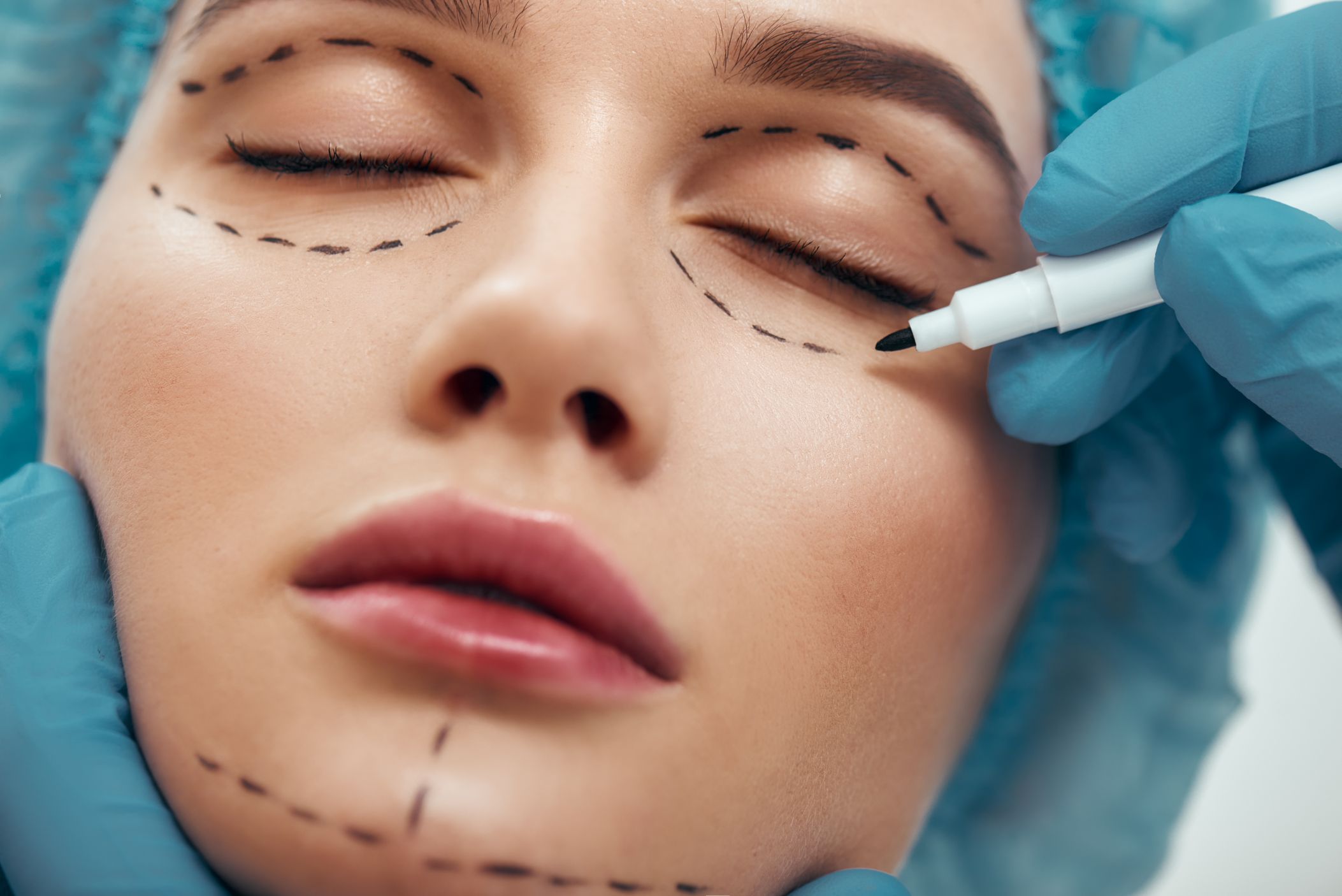
- Medical assessment and planning: Identifying where volume is missing, and choosing the best areas to harvest fat from.
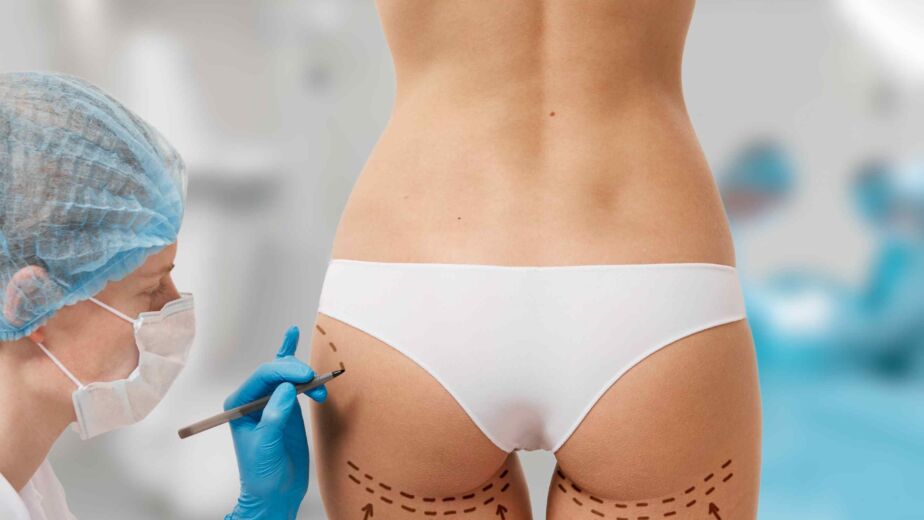
- fat harvesting (liposuction): A small amount of fat is gently removed through tiny openings, usually from donor areas like the abdomen, flanks, or thighs, depending on where you have enough healthy fat.
- Purifying and preparing the fat: Separating healthy fat tissue from aqueous fluid and contaminants (e.g., blood cells, tumescent fluid, free lipid) to improve graft quality.
- Layered injection: Injecting the fat in small amounts and at different levels of the face for a balanced, smooth distribution.
- Recovery and follow-up: Temporary swelling and bruising, then results gradually settle over the following weeks.
Injection technique and placement (how volume is restored)
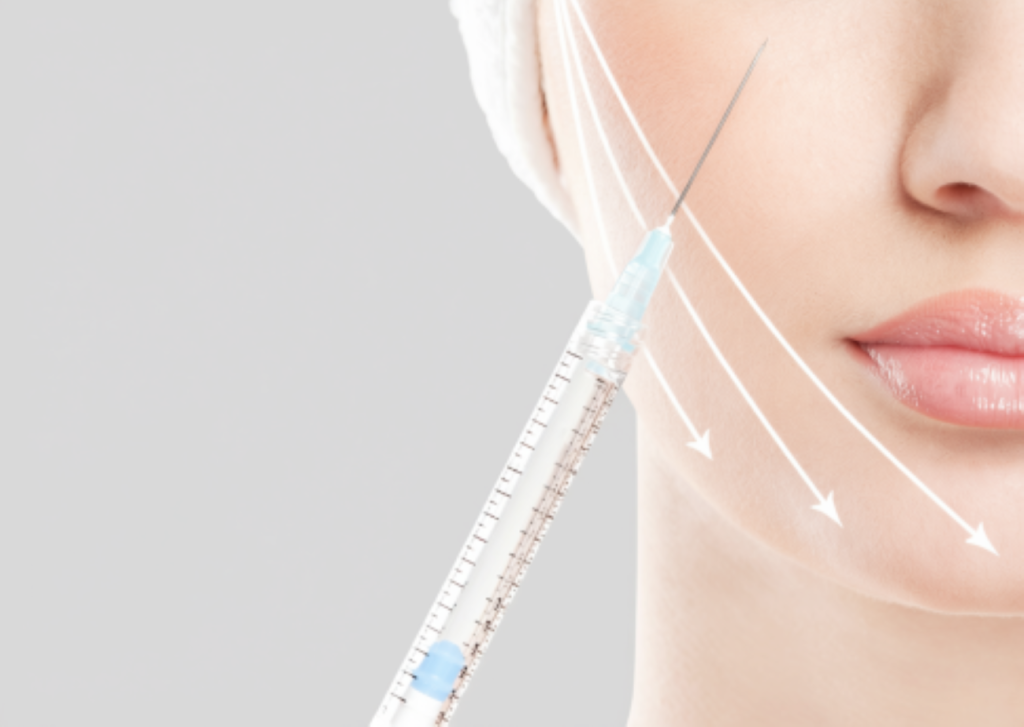
The success of facial fat grafting depends on precise technique and placement. Surgeons typically inject purified fat with fine cannulas using a micro-droplet method across multiple layers, which helps it blend smoothly with the tissues and supports better long-term survival.
Common facial areas where volume is restored include:
- Cheeks and midface
- Temples
- Under-eye hollows (in selected cases, when appropriate)
- Smile lines and folds around the nose and mouth
- Chin and jawline, depending on need
- Sometimes the lips, with caution and only for suitable candidates
Important note: Some fat is naturally absorbed in the first few months, so your surgeon may slightly overcorrect or recommend a second session if needed.
Fat transfer to face vs fillers
| Treatment | Pros | Cons |
|---|---|---|
| Facial fat transfer | Natural (your own fat), soft look, long-lasting once stable. | Bigger procedure, longer recovery, some fat absorption. |
| Fillers | Quick, immediate results, adjustable, often reversible. | Temporary, needs maintenance, can look less natural if overdone. |
Bottom line: If your goal is a natural look with true volume restoration, fat transfer to face can be an excellent option. Fillers may be better for minor refinements or for anyone looking for a faster, less invasive solution.
Areas Treated with Facial Fat Transfer in Turkey
In fat transfer to face Turkey, the goal isn’t random filling, but restoring volume in key areas for a balanced, natural look. Your surgeon targets the most noticeable hollow points and injects small amounts in layers for a soft, subtle result.
Cheeks & Midface: The cheeks and midface benefit greatly from fat transfer, because restoring volume here brings life back to the face and naturally softens a tired look, folds, and mild sagging.
Under-Eye (Tear Trough): Under eye fat transfer in Turkey can reduce hollowness and smooth the lid-to-cheek transition when the main issue is volume loss.
Temples: Facial fat grafting in the temples can soften the hollowed-in appearance and restore balance to the upper face, especially in naturally thin temples or after weight loss.
Nasolabial Folds (Smile Lines): These lines often become more noticeable because the midface loses support. That’s why a surgeon may restore cheek volume first, then add a small amount only where needed to keep the result natural.
Jawline & Chin: Fat transfer can gently improve jawline and chin definition and enhance overall harmony without changing your identity, particularly when there’s volume loss or mild laxity.
Injection points are chosen based on your facial structure and where volume is truly missing, so the final result looks balanced, natural, and never overfilled.
Recovery Timeline After Fat Transfer to Face in Turkey
Recovery after fat transfer to face in Turkey is usually straightforward, but it takes time for swelling to settle and for the transferred fat to stabilize. In the first week, it’s normal to look a little fuller than the final result.
Recovery timeline
Most patients notice the biggest changes in the first two weeks, while the final result takes longer to fully settle. This timeline summarizes the typical healing stages, from early swelling to the point where results start to stabilize.
Keep in mind that healing varies, and some areas may take a little longer to fully settle.
Aftercare tips to protect your results
- Sleep on your back and keep your head slightly elevated in the first days to reduce swelling and avoid pressure on the face
- Use gentle cold compresses only if your doctor approves, and avoid pressing or massaging the treated areas
- Stay well hydrated and focus on protein-rich, balanced meals, because good nutrition supports healing and fat survival
- Take prescribed medications exactly as directed, such as antibiotics or pain relief if provided
- Keep the face clean and avoid heavy makeup or unnecessary touching until your doctor says it’s safe
- Avoid smoking, nicotine, and alcohol early on, as they can worsen swelling and affect fat survival.
- Avoid heat and long sun exposure (sauna, steam rooms, or heat-based facial treatments) early on.
- Skip intense exercise for about 2 weeks, or follow your surgeon’s timeline if different
With the right aftercare, most people see their features settle gradually into a calmer, softer, naturally refreshed look.
Fat Transfer to Face Cost in Turkey
When considering fat transfer to face in Turkey, value is not only the price. Surgeon experience, facility standards, anesthesia safety, and follow-up care matter.
Average cost range in Turkey
In Turkey, fat transfer to face cost Turkey is often quoted in an approximate range of $1,600 to $3,000, depending on how many areas are treated, the technique used, the clinic or hospital standards, and the type of anesthesia.
The reason prices vary is simple: “fat transfer to the face” might mean a small, single-area touch-up, or a full-face plan that requires more meticulous preparation and a longer procedure time.
What is included in a Turkey package?
A typical “Turkey package” may include:
- Consultation: Pre-procedure assessment and planning
- Hospital or clinic fees: Operating room and medical team costs
- Tests: Blood work or pre-anesthesia evaluation
- Anesthesia: Anesthesia and anesthesiologist fees
- Hotel: Accommodation (a set number of nights)
- Transfers: Airport pickup and clinic transportation
- Aftercare: Medications, follow-up visits, recovery guidance
Request pricing
By sending, you agree we may contact you on WhatsApp with pricing.
Got it! We’ll WhatsApp you the pricing shortly.
Results and Longevity
Facial fat transfer usually delivers a “quiet” change, not a dramatic one. The goal is a naturally fuller, more refreshed look with smoother transitions in hollow areas, without looking “done.”
When you will see final results (swelling vs true outcome)
What you see early on is usually a mix of swelling and the beginning stages of fat settling, so your features change gradually:
- First days: noticeable swelling, and volume may feel “too much.”
- Weeks 2 to 6: swelling continues to calm down step by step, and the face starts to look more natural.
- Around 3 months: many patients can judge the outcome more accurately, because the fat that will survive is closer to stabilizing.
- Months 3 to 6: the most realistic result is usually clearer, with minimal swelling and more stable volume in most cases.
Simple tip: if you want to assess results accurately, compare photos taken at 3 months or later, using the same lighting and angle.
Fat survival, how much typically stays (why touch-ups happen)
With facial fat grafting, not every fat cell survives. A portion is naturally reabsorbed in the first months, then the remaining fat stabilizes and behaves like normal fat tissue.
How much typically stays? Published studies show wide variation. In a systematic review and meta-analysis that included only studies using objective volume measurements, reported retention ranged from 26% to 83%, with a pooled average retention of about 47% over follow-up periods of roughly 3 to 24 months.
This is why many surgeons discuss results as “part of the volume stays, part is absorbed,” rather than promising one fixed percentage for everyone.
Touch-ups do not necessarily mean the procedure failed. They can be a normal refinement when:
- you want a slightly fuller final result than what stabilized after absorption,
- one side absorbs more than the other,
- the plan is intentionally conservative in delicate areas.
If a touch-up is needed, it is usually best discussed after the result stabilizes, often after the 3-month point.
Start a Conversation
Contact us through the communication method that suits you





Risks and Side Effects of Facial Fat Transfer
Facial fat transfer is generally safe when done by an experienced provider, but like any medical procedure, it comes with possible side effects and risks. The goal here is not to alarm you, but to help you know what’s common after treatment and how to lower the chance of complications.
Common side effects
Most people experience temporary effects during the first days to weeks, including:
- Swelling, often more noticeable in the morning early on
- Bruising around injection points (and sometimes near the eyes depending on the treated area)
- Mild tenderness, tightness, or soreness, plus discomfort in the donor area (such as the abdomen or thigh)
- Unevenness early on, usually related to swelling and typically improves as healing progresses
- Small lumps or firmness that can happen during healing and often softens over time, but should be checked if it persists or worsens
Seek quick medical advice if you notice increasing redness, warmth, worsening pain, fever, or discharge, as these may signal an infection.
How to reduce risks (clinic selection and aftercare)
Reducing risk starts before the procedure and continues through recovery:
- Choose a provider with specific experience in facial fat grafting, not just general cosmetic experience
- Ask about technique: careful purification and small amounts injected in multiple layers usually produce smoother, safer results
- Follow pre-op instructions closely, especially stopping smoking and nicotine based on your surgeon’s plan
- After the procedure: sleep on your back, avoid pressure on the face, attend follow-ups, and take prescribed medications exactly as directed
- Be cautious with the under-eye area in particular: it is delicate, so gradual improvement and conservative treatment is often safer than trying to achieve maximum volume in one session
Frequently Asked Questions (FAQ)
The fat that settles after the first months can last for years. Results can still change with age, weight, and lifestyle. Expect long-term improvement, with minor touch-ups in some cases.
Cost depends on the surgeon, facility, areas treated, and anesthesia. Some clinics offer packages that include hotel and transfers. A common range is $1,600 to $3,000, depending on what’s included.
Usually within 24–48 hours, gently. No rubbing, pressure, or very hot water. Follow your surgeon’s exact instructions.
Swelling is strongest in the first days, then improves over the first two weeks. A more realistic result appears in 1–3 months, with gradual refinement afterward.
Avoid smoking/nicotine, pressure on the face (side sleeping), high heat (sauna/steam/strong sun), and intense exercise early on. Avoid strong massage or facial treatments until your doctor approves.
Ready to Take the Next Step?
Want a natural, softer facial refresh? Share clear photos and your goals, and we can advise whether facial fat transfer or fillers fits you better.