If you’re comparing breast augmentation turkey options, you’re probably weighing two things at once: results (shape, size, feel) and practicalities (price, safety, recovery, travel timing). This guide is built for that exact decision, covering implants vs fat transfer, what you can expect during healing, and how to choose a clinic before you book a consultation.
Breast augmentation is a surgical procedure to increase breast volume, most commonly by placing implants under breast tissue or chest muscle. It can also be done using your own fat (fat transfer), sometimes combined with a small implant for a softer contour.
Why people choose Turkey
Turkey is a popular destination because many clinics offer streamlined scheduling, bundled logistics, and pricing that’s often lower than in the UK or US private sector. Cost alone shouldn’t decide it, though. Your safety plan (surgeon, facility, aftercare, and what happens if you need help later) matters just as much.
A good rule: treat the “deal” as secondary. Treat the team and follow-up plan as the main product.
Breast Implants vs fat transfer
You don’t need to be “pro” one method. The best choice depends on your starting shape, skin quality, how much volume you want, and whether you’d like liposuction benefits.
Quick comparison
Implants
-
Best for bigger size change Most reliable for noticeable volume.
-
Most predictable volume Results are easier to plan and match.
-
Scars Small incision scar (placement depends on technique).
-
Possible future procedures Touch-ups can happen; some patients need revision or replacement later.
Fat transfer
-
Best for subtle, natural fill Great for gentle volume and shaping.
-
Less foreign material No implant device—fat comes from your body.
-
Scars Usually tiny liposuction + injection points.
-
Possible future procedures Touch-ups are possible; some patients choose a second session.
Implant augmentation basics
Implants are the most predictable way to change size and projection. The surgeon creates a pocket and places the implant either under the breast tissue or partially/fully under the chest muscle, depending on your anatomy and goals.
This is the approach most people mean when they search breast implants Turkey or boob job Turkey.
Fat transfer basics
Fat transfer uses liposuction to harvest fat (often abdomen, flanks, thighs), processes it, and injects it in small amounts into the breast. The goal is natural contour and modest enlargement.
It can be a great option. However, fat survival is variable, and some volume loss is expected during healing. Results depend a lot on surgical technique and careful patient selection, so it’s important to discuss realistic expectations during your consultation.
Breast implants Turkey options
In Turkey, breast augmentation planning should be based on your measurements and tissue coverage; therefore, it shouldn’t rely on a “cup size promise.”

Implant type: Silicone vs saline
Silicone gel implants are widely used and often feel more like natural breast tissue. Saline implants can deflate if they rupture and the fluid is absorbed by the body, but they may feel firmer or show rippling in some body types.
Implant design: Shape, profile, and size
You’ll hear terms like round vs anatomical, low/moderate/high profile, and “cc” volume. The practical takeaway is simple: your chest width, skin stretch, and breast base should set the limits. Oversizing is one of the easiest ways to invite problems like visible rippling, stretching, or early sagging.
Placement: Over vs under muscle
Placement affects both appearance and how recovery feels early on.
- Over the muscle (subglandular): can be appropriate if you have enough natural tissue coverage
- Under the muscle (submuscular or dual-plane): may improve upper-pole coverage in thinner patients, but early tightness can be more noticeable
Incision: Where the scar sits
Common incisions include inframammary (under the breast fold), periareolar (around the areola), or axillary (armpit). Scar quality depends on technique, skin type, and aftercare, so ask what your surgeon recommends for you, and where scars typically sit months later.
Fat transfer details
Fat transfer is often marketed as “natural,” which is true in a material sense. It’s still surgery, and it still deserves careful planning.

Liposuction donor areas
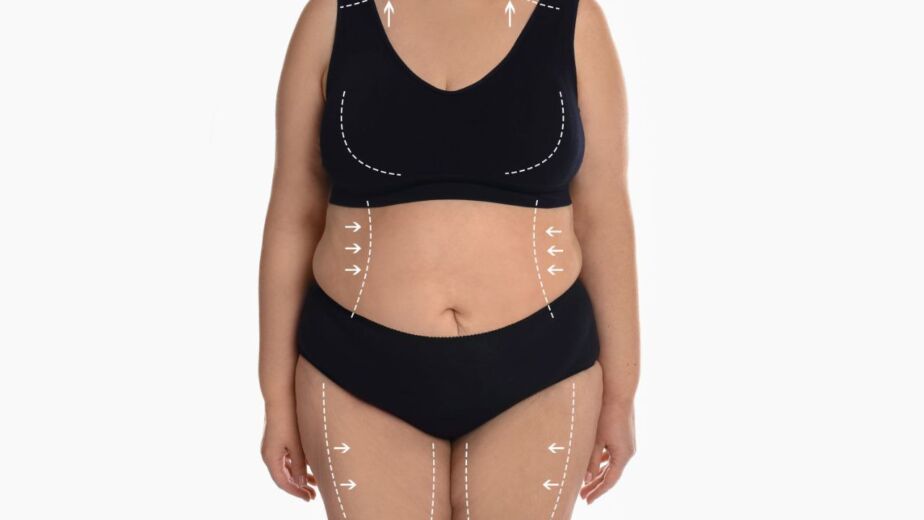
Your donor site choice affects recovery: abdomen and flanks can feel sore and tight, and you’ll usually wear compression to control swelling. If you’re already considering body contouring, fat transfer can sometimes align nicely with those goals.
How much volume to expect
Fat transfer usually creates modest enlargement and contour improvement. If you want a clearly larger cup size, implants tend to be the more reliable route. For some people, the sweet spot is a hybrid approach: a smaller implant for structure plus fat to soften edges.
When a second session helps
Because some transferred fat doesn’t survive, a second session can be useful if you’re aiming for more change or you have asymmetry. Discuss this up front so you’re not surprised by the possibility of staged treatment.
Breast augmentation Turkey prices
Pricing is a major reason people research Turkey, but transparent pricing means explaining what’s included and what can change your quote.
Pricing table (USD)
The table below summarizes typical package pricing for breast augmentation techniques in Turkey. A personalized quote is provided after your consultation.
| Technique | Typical price (USD) | Notes |
|---|---|---|
| Silicone vs. Saline Implants | ~$3,500 | Varies by implant brand and hospital/anesthesia fees. |
| Fat Transfer Breast Augmentation | $1,000–$3,000 | Usually includes liposuction and compression garments. |
| Hybrid (implant + fat) | ~$4,000–$5,000 | Longer operating time (implant + fat). |
| Breast Lift + Implants | ~$4,800–$6,500 | Higher cost due to added lift work. |
| Revision surgery | ~$3,800–$8,500+ | Depends on complexity (capsule, pocket, implant exchange). |
What changes the price
- Implant manufacturer and model
- Need for a lift (mastopexy) due to sagging
- Implant placement choice and surgical time
- Hospital accreditation level and anesthesia team
- Extra nights, drains, special bras, medications
- Complexity (asymmetry correction, revision, capsular issues)
Request pricing
By sending, you agree we may contact you on WhatsApp with pricing.
Got it! We’ll WhatsApp you the pricing shortly.
What “package” should include
Before you compare clinics, get an itemized list. At minimum, ask whether the quote includes:
- Surgeon + anesthesia fees
- Hospital/operating room charges
- Implants (brand, model) and documentation
- Pre-op labs/imaging if needed
- Post-op bra and core medications
- Follow-up visits during your stay
- A written aftercare plan and emergency contact
Breast augmentation Turkey travel planning
A smooth trip is usually about buffer time, not rushing back to the airport too soon.
A realistic plan
A practical travel plan usually includes arriving a little early for an in-person exam and pre-op checks, then scheduling surgery with at least one night of monitoring afterward. Over the next few days, you’ll typically have early follow-ups for wound checks and any drain care if it’s used. Before you fly home, your team should do a final review and confirm you’re healing normally, with clear aftercare instructions for when you’re back home.
If you’re also considering combining procedures, you may want to explore (Mommy Makeover in Turkey) as a coordinated plan with one overall timeline.
Documents to request
- Implant card / device details (brand, size, lot/serial if applicable)
- Your operation note or discharge summary
- Clear instructions: meds, showering, activity limits, warning signs
- A plan for remote follow-up once you’re home
Start a Conversation
Contact us through the communication method that suits you





Breast augmentation recovery timeline
Healing varies, but a timeline helps you plan flights, work leave, and childcare.
Day 1–7
Expect tightness, swelling, and soreness, especially when using chest muscles. You’ll likely be encouraged to walk gently the same day or next day. Most clinics recommend a supportive bra and avoiding heavy lifting.
If pain worsens sharply, one breast swells suddenly, you develop fever, or you feel short of breath, seek urgent medical care.
Week 2–4
Swelling gradually decreases. Many people return to desk work, but exercise is still limited. Sleeping positions and arm movement may still feel restricted.
This is also when you’ll notice the “high and tight” phase with implants beginning to soften.
Month 2–6
Most people resume broader activity with surgeon clearance. Scars continue to mature, and breast shape usually looks more settled.
If you had fat transfer, this is when retained volume becomes clearer.
Month 6–12
Scar maturation continues, and the final contour is easier to judge. This is the window where you and your surgeon can assess whether any minor adjustments are worth discussing.
Risks and safety
Every responsible consultation should include risks in plain language. Breast augmentation is common, but it’s still surgery.

General surgical risks
Bleeding, infection, anesthesia complications, and blood clots are possible with any major operation.
Implant-specific risks
Potential issues include capsular contracture (tight scar tissue around the implant), changes in nipple sensation, implant malposition, rupture, and the possibility of future surgery.
There’s also an association between breast implants and a rare immune-system cancer called BIA-ALCL. A small number of people with implants have developed it, typically in the tissue around the implant.
Fat transfer risks
Fat transfer has its own profile: infection, bleeding, fat necrosis, cysts, calcifications, and variable graft survival. The ASPS guiding principles note reported complications can include fat embolism and graft volume loss, and they emphasize technique and informed consent.
Results and long-term care
Settling and scar care
Scars usually fade gradually, not instantly. Follow scar care instructions, avoid stretching the incisions early, and protect scars from sun exposure.
Exercise, bras, and sleep
Expect a staged return to activity. Support garments aren’t just “comfort”; they help control swelling and reduce strain while tissues heal.
Mammograms and follow-up
You can still have breast screening with implants, but you should tell the imaging team you have implants so they can adapt the technique.
Long-term, implants don’t last forever, and some people need further surgery years later.
Frequently Asked Questions (FAQ)
Most boob jobs in Turkey (breast augmentation with implants) start around ~$3,500 in many packages. Your final price depends on the implant brand, surgeon and hospital fees, and whether you need any added steps (like a lift) after an in-person assessment.
Most patients describe tightness and soreness rather than sharp pain, especially in the first week. Pain control plans vary, so ask what your clinic uses and what would trigger an urgent review.
No. Implants don’t last a lifetime, and some people need future surgery due to rupture, capsular contracture, or changes in breast tissue over time.
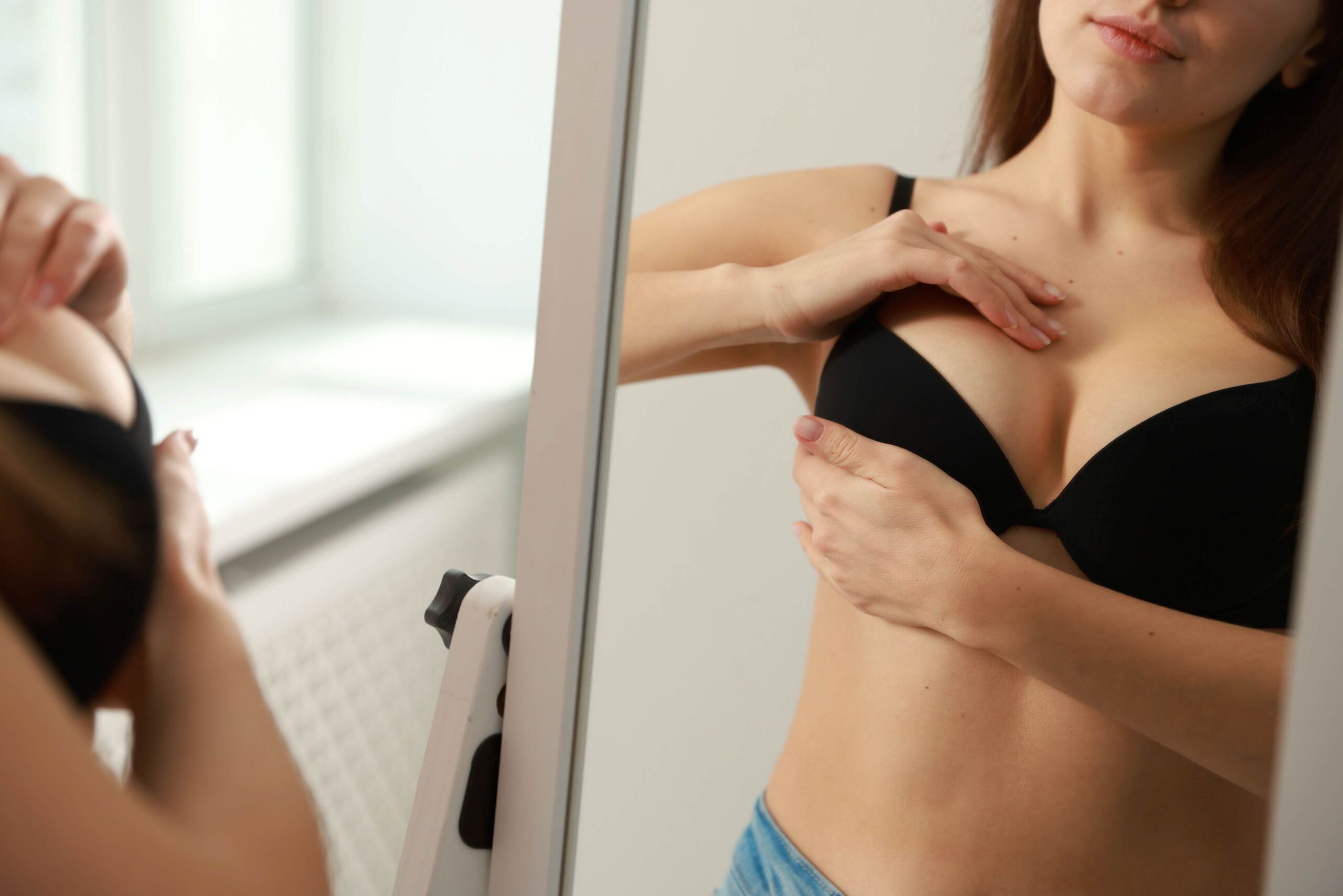
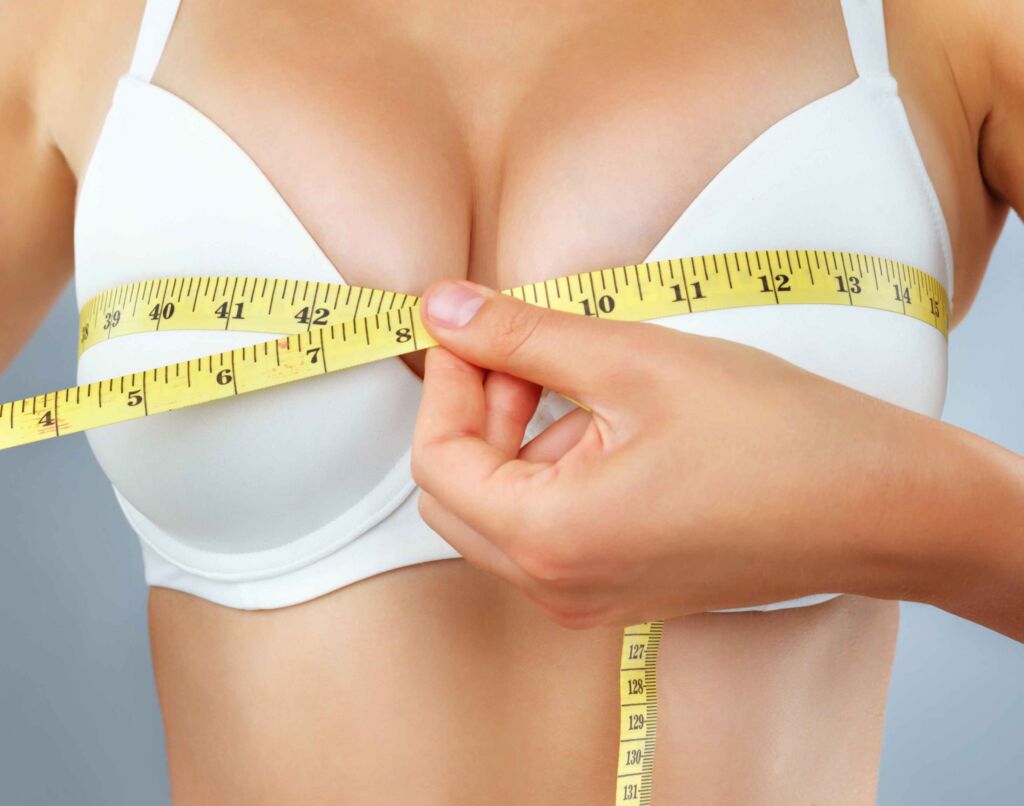
Choose based on your measurements (chest width, breast base, skin stretch), not cup size. Your surgeon will recommend a safe cc range and profile, and sizers/3D imaging can help you visualize it.
Next steps
If you’re considering breast augmentation cost and outcomes in Turkey, the most helpful next step is a structured evaluation: photos, your goals (natural vs dramatic), your medical history, and whether you’d benefit from implants, fat transfer, or a lift.
If you’d like a calm, no-pressure review of your options, we can help you map out a tailored plan with clear pricing and a realistic travel timeline. Use the button below to request your evaluation.
This guide is educational and not a substitute for an in-person medical exam. Outcomes and risks vary based on anatomy, health history, surgical technique, and aftercare.