If you’re researching rhinoplasty Turkey options in 2025, you’re probably doing the smart thing: comparing techniques, weighing safety and outcomes, and trying to estimate the real total cost (not just a headline price). This guide is built for people considering medical travel to Turkey who want a natural-looking result, and a plan that makes medical sense.
Quick definition
Rhinoplasty is surgery that reshapes the nose for appearance, breathing, or both. A surgeon adjusts bone, cartilage, and sometimes the septum to improve balance with your face and/or airflow. Early swelling improves in weeks, but subtle refinement can continue for up to a year.
Why International Patients Consider a Nose Job in Turkey
Most people don’t travel just for “a cheaper nose job.” They travel for a mix of:
- Value (transparent, all-in pricing can be easier to plan)
- High case volume (experienced teams often do many rhinoplasties per month)
- Convenience (short flight times to Istanbul from many European cities; direct routes from the Gulf are common)
That said, value only matters if the fundamentals are solid: surgeon expertise, operating facility standards, anesthesia safety, and a clear aftercare plan. Rhinoplasty is technically demanding, and revision surgery is harder than primary surgery, so your first decision is the one you want to get right.
Who is (and isn’t) a good candidate for rhinoplasty in Turkey?
You may be a good candidate if you:
- Are bothered by a hump, asymmetry, width, tip shape, or trauma-related changes
- Want functional improvement (blocked airflow) and have symptoms that match the anatomy
- Are physically healthy enough for surgery and anesthesia
- Can commit to recovery rules (no smoking, no early gym, careful travel timing)
You should slow down and get individualized advice if you:
- Smoke or vape (healing and scarring risks go up)
- Have uncontrolled medical issues (blood pressure, clotting problems, untreated sleep apnea, etc.)
- Want a “perfect” or heavily filtered outcome (rhinoplasty is about balance and anatomy limits)
A good consultation doesn’t sell you a fantasy. It sets expectations you can live with.
Start a Conversation
Contact us through the communication method that suits you





Techniques used for natural-looking results in 2025
Open vs closed rhinoplasty
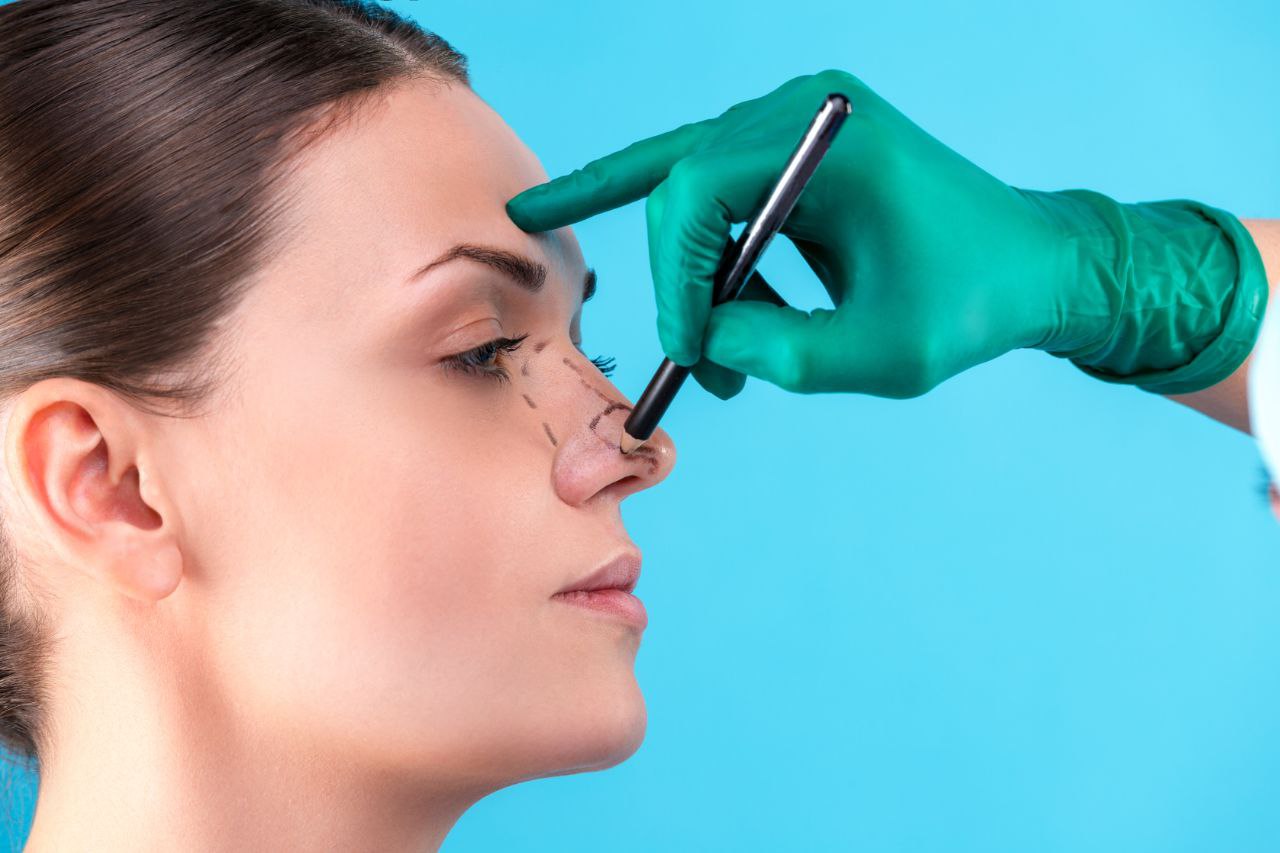
- Open rhinoplasty uses a small incision across the columella (the tissue between the nostrils) plus internal incisions. It can give the surgeon more visibility for complex tip work, major reshaping, or revision cases.
- Closed rhinoplasty keeps incisions inside the nose and can work well for selected cases with less structural change.
Neither approach is “best” universally, it’s anatomy + goals + surgeon preference.
Preservation vs structural rhinoplasty
- Preservation rhinoplasty aims to keep key nasal structures intact when appropriate, reducing disruption while reshaping.
- Structural rhinoplasty focuses on building and supporting the nose with precise cartilage work (often essential in crooked noses, weak tip support, trauma, or revisions).
A natural result usually comes from respecting support and airflow, not chasing the smallest possible nose.
Piezo/ultrasonic rhinoplasty
Piezo (ultrasonic) tools can shape nasal bones with vibration-based cutting rather than traditional instruments. Research comparing piezo to conventional methods suggests less bruising/swelling and improved precision in some settings, though results depend on surgeon experience and the specific case.
Septorhinoplasty and breathing improvements
Many patients want both: a refined shape and better breathing. That’s where septorhinoplasty comes in. It addresses the septum (and sometimes nasal valve support) at the same time as cosmetic changes. This matters because changing the outer shape without protecting airflow can backfire.
Revision rhinoplasty (why it’s different)
Revision rhinoplasty usually involves scar tissue, altered anatomy, and sometimes missing cartilage support, so it’s more complex and often requires grafting (ear or rib cartilage). If you’re traveling for a revision, aftercare planning matters even more.
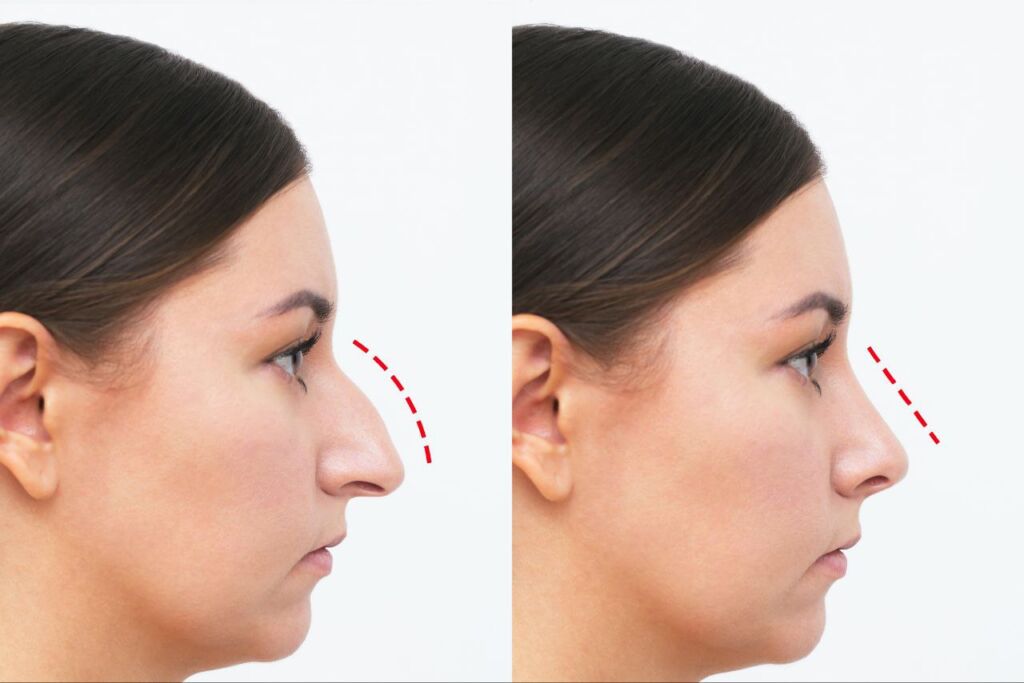
Before & After Gallery: Natural-Looking Outcomes



Rhinoplasty cost Turkey (2025): what you’ll actually pay
Typical price ranges
Rhinoplasty Turkey pricing depends on case complexity, technique choice, and whether breathing work (septum/nasal valve) is included.
The table below shows common price ranges by technique. Use it as a planning guide, then confirm an itemized quote based on your anatomy and goals.
| Technique | Price Range (USD) |
|---|---|
| Closed Rhinoplasty | $3,000 – $5,500 |
| Open Rhinoplasty | $3,500 – $5,500 |
| Ultrasonic (Piezo) Rhinoplasty | $4,000 – $6,000 |
| Revision Rhinoplasty | $4,500 – $6,500 |
Itemized cost checklist (compare clinics fairly)
When you compare a turkey nose job quote, ask for an itemized breakdown:
- Surgeon fee (and whether it includes functional work)
- Hospital/operating facility fee (accredited hospital vs office-based center)
- Anesthesia fee + who provides anesthesia
- Pre-op labs/imaging (if needed)
- Medications, nasal splints, follow-up visits
- Revision policy (what’s included vs excluded)
- Hotel/transport (if offered) and how many nights
- Post-op support after you fly home (tele-checks, local partner clinic, emergency plan)
Request pricing
By sending, you agree we may contact you on WhatsApp with pricing.
Got it! We’ll WhatsApp you the pricing shortly.
Pricing red flags (real-world, not fear-mongering)
Be cautious if:
- The clinic won’t identify the surgeon clearly (name + credentials).
- Quotes are vague (“all included”) with no facility/anesthesia details.
- You’re pressured to book immediately with a discount countdown.
- You’re promised a guaranteed look or “no swelling” recovery.
Rhinoplasty always has trade-offs. Honest clinics talk about them.
Planning a rhinoplasty Turkey trip
Planning rhinoplasty Turkey as a medical travel trip is easier when you have a clear timeline, flight guidance, and follow-up plan.
How long should you stay?
Many travel patients plan about 7–10 nights so the surgeon can check early healing and remove/adjust external support (timing varies by technique). Your surgeon should tell you their schedule.
Flying home: what to ask your surgeon
There isn’t one universal rule for flying after rhinoplasty. Risk depends on swelling, bleeding, and whether you had additional internal work. Ask:
- When can I safely fly short-haul vs long-haul?
- What are my “do not fly” warning signs?
- What can I do to reduce dryness and swelling during travel?
(If a clinic can’t answer this clearly, that’s information in itself.)
A simple travel prep list
- Bring a written medication plan (including pain control and saline care)
- Avoid lifting heavy luggage and arrange help at the airport.
- Schedule a check-in with a local ENT/GP at home if advised, especially for functional cases
Recovery and results: what to expect
Early recovery is about comfort and safety. Later recovery is about patience, because the nose keeps refining long after you feel “back to normal.” ASPS notes that initial swelling improves in weeks, but final contour can take up to a year.
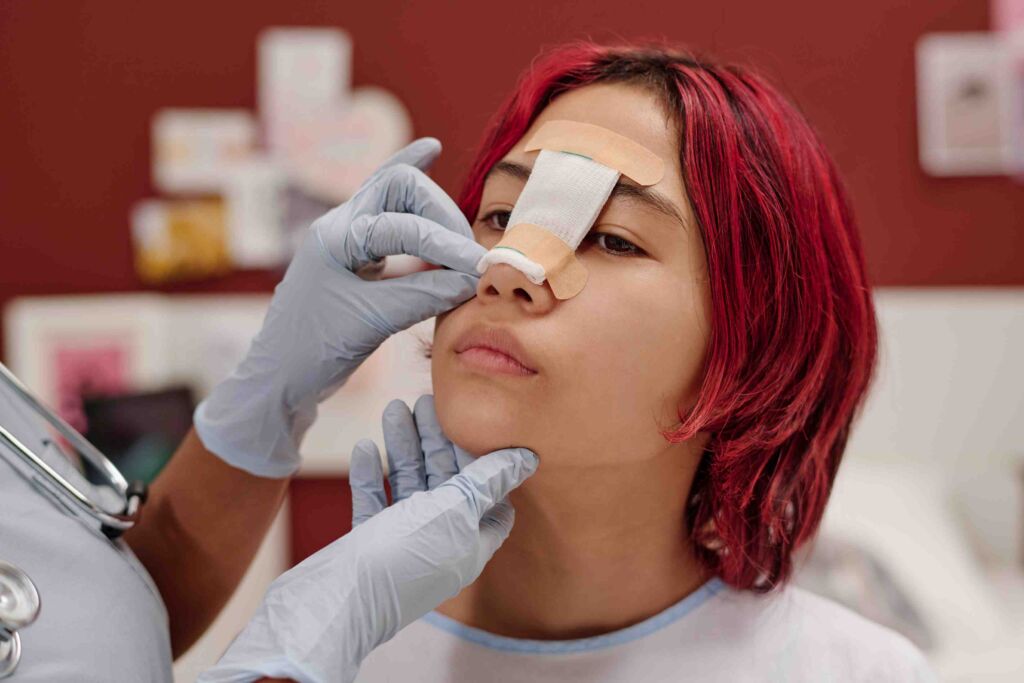
Rhinoplasty recovery timeline (typical milestones)
Day 1–7
- You may feel/see: Congestion, swelling, bruising, mild bleeding/oozing; splint/tape; tiredness.
- What to do: Rest with head elevated; cold compresses around (not on) the nose; take meds as prescribed; avoid blowing your nose.
Week 2–4
- You may feel/see: Bruising fades; swelling improves; nose still “puffy,” especially the tip; breathing still variable.
- What to do: Desk work often possible; light walking; avoid heavy exercise/contact risk; follow cleaning instructions.
Month 2–6
- You may feel/see: Shape looks more natural; subtle swelling persists; tip definition slowly improves.
- What to do: Gradually return to exercise per your surgeon; protect the nose from bumps/sun; attend follow-ups.
Month 6–12
- You may feel/see: Fine refinement continues; scars soften; final definition appears.
- What to do: Judge the “final” result closer to 12 months (sometimes longer with thick skin/revision).
What’s normal vs when to call the doctor
What’s usually normal
- Mild bleeding/oozing in the first days
- Congestion and mouth breathing (it can feel like a stubborn cold)
- Swelling that fluctuates (often worse in the morning)
- Numbness around the tip or upper lip that improves gradually
- Asymmetry early on (swelling is rarely perfectly even)
When to call your surgeon urgently (or seek emergency care)
- Heavy bleeding that doesn’t slow with gentle pressure and rest
- Fever, worsening redness, foul-smelling drainage (possible infection)
- Severe pain that suddenly escalates rather than improves
- Shortness of breath, chest pain, calf swelling (clot symptoms)
- Vision changes or severe headache after surgery
- One-sided worsening swelling with increasing tenderness
Rhinoplasty is generally safe, but complications can still happen. That’s why acting early matters, because getting the right help quickly can make all the difference.
How to choose the best rhinoplasty Turkey option
Here’s a practical way to compare clinics and surgeons, especially if you’re comparing rhinoplasty Turkey options internationally:
1) Verify credentials and surgical setting
- Who is the surgeon (plastic surgeon vs ENT/facial plastic)? What’s their training path?
- Where is surgery performed (hospital vs surgical center)?
- Who provides anesthesia, and is an anesthesiologist involved?
2) Judge “natural results” the smart way
Before/after photos help, but look for:
- Similar skin thickness and nasal starting point to yours
- Side profile and front view symmetry
- Results that still look like the person, not a copy/paste nose
3) Ask questions that reveal quality fast
- “What technique do you recommend for my anatomy—open or closed—and why?”
- “Will you support breathing structures (septum/nasal valve) if needed?”
- “What’s your revision policy and timeline if healing doesn’t go as planned?”
- “What does follow-up look like after I return to Europe/Morocco/UAE?”
Frequently Asked Questions (FAQ)
Prices vary by technique and case complexity. Many clinics advertise ranges around $2,500–$6,000, but the most accurate number comes from an itemized quote based on your anatomy and whether breathing work is included.
It can be safe with a qualified surgeon, proper facility, and clear aftercare. Safety depends on the clinic and your health.
Most patients describe more congestion and pressure than sharp pain, especially in the first week. Pain control varies, and your surgeon should provide a clear medication plan. Swelling and bruising are expected.
Many travel patients plan roughly 7–10 nights so early checks and splint/tape management can happen before flying home (exact timing depends on surgeon protocol and whether functional work was done).
You’ll see meaningful improvement within weeks, but subtle refinement can continue for up to 12 months (sometimes longer with thick skin or revision cases).
Soft next step: request a personalized evaluation
If you’re close to booking, the most useful next step is a structured evaluation:
- Front/profile photos in good lighting (no filters)
- A short list of goals (3 priorities max)
- Breathing symptoms (if any) and medical history
- Previous nasal trauma or prior nose surgery
A good clinic should provide a clear plan, so you understand the recommended technique and why it fits your anatomy. In addition, the quote should be itemized and transparent, rather than rushed or sales-driven. If that’s what you’re looking for, you can contact our clinic for a personalized evaluation.